Understanding the Importance of Mulch in Gardening
When it comes to enhancing your garden’s health, the mulch you choose is just as crucial as the soil it covers. The different materials breathe, break down, and retain moisture in unique ways. By matching the mulch to the specific needs of your plants, you can significantly reduce issues with weeds, rot, and soil moisture fluctuations. This understanding is key to successful gardening. You may also find French Toast Casserole With useful.
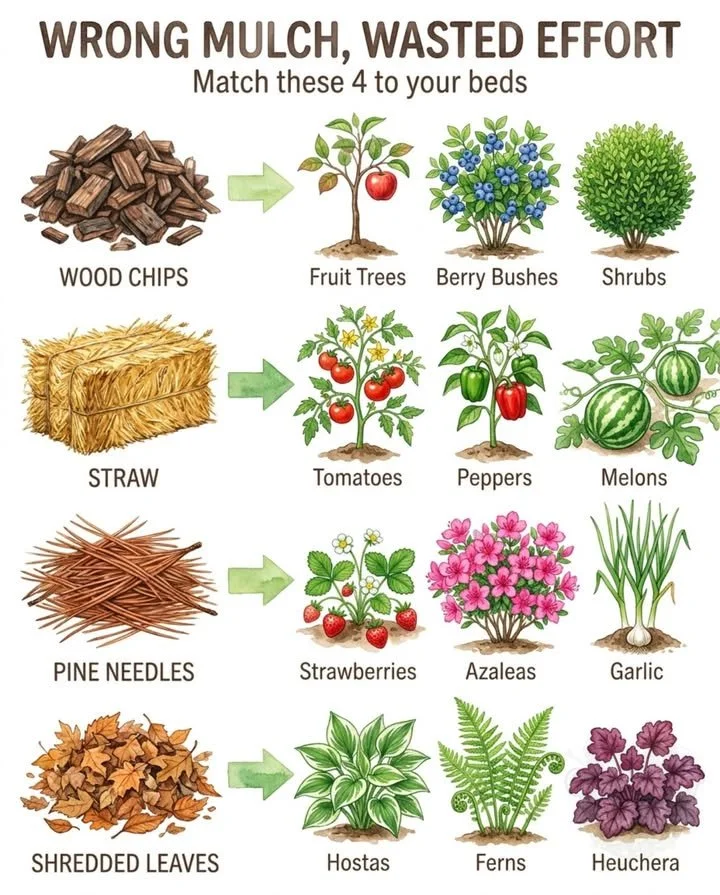
One popular type of mulch is wood chips, which are particularly effective for fruit trees, berry bushes, and shrubs. This chunky mulch decomposes slowly, fostering the fungal activity essential for woody roots. By mimicking a forest floor, wood chips create an ideal environment for these plants to thrive. Interested in learning how to make a delicious sweet potato butter cake? Just as plants benefit from proper mulching, you can also enhance your culinary skills!
Different Types of Mulch and Their Benefits
Wood Chips: As previously mentioned, wood chips are best for woody plants. They not only retain moisture but also provide nutrients as they decompose, enhancing soil health. You may also find Irresistible Greek Potatoes With Lemon And Garlic useful.
Straw: Straw works well for tomatoes, peppers, and melons because its light texture reflects sunlight and helps keep roots cool during the summer. Additionally, it acts as a barrier against soil splashing, which can prevent fungal diseases on lower leaves. You may also find that using smashed avocado in your meals is a refreshing twist, just like using varied mulch types in your garden.
Pine Needles: This type of mulch is ideal for strawberries, azaleas, and garlic. The needles’ interlocking structure resists washing away during heavy rains, providing a clean and dry surface that minimizes moisture accumulation on ripening fruits and curing bulbs. You may also find Asparagus Risotto Spring Creamy Quick Weeknight Meal useful.
Shredded Leaves: Perfect for shade-loving plants like hostas and ferns, shredded leaves break down quickly and create a moisture-retaining sponge-like quality in the soil. You can often collect this free mulch from seasonal yard work, making it an economical choice for gardeners.
Best Practices for Mulching
To prevent common mulching problems, adhere to these guidelines:
- Ensure all mulch is pulled back from plant stems; piling it against the base retains moisture, which can lead to rot.
- Aim for a mulch depth of 2 to 3 inches. If it’s too thick, rain may not penetrate down to the roots.
- Avoid using thick layers of fresh grass clippings; they can mat down, limiting air and water flow. Instead, dry them first or mix them with coarser materials.
- Use one specific mulch type per garden bed, tailored to the plants growing there. For instance, the mulch used under an oak tree is not suitable for a tomato patch.
A strategic approach—selecting one mulch type per bed—can be the difference between nurturing healthy plants or detracting from their growth.
Conclusion
In summary, understanding the role of mulch in your garden can greatly influence your plants’ health and productivity. To explore more about soil health and gardening practices, you might find the information on soils and plant nutrients quite beneficial. Furthermore, as you expand your gardening knowledge, consider how every material you use enhances your garden’s ecosystem; the mulch truly matters as much as the soil beneath it. You can see more about various gardening practices at this informative link.