
Understanding the Right Pruning Tools for Your Garden
Selecting the right pruning tool is essential for maintaining the health and aesthetics of your garden. The effectiveness of your cuts not only relies on the type of wood being pruned but also on the tool itself. An improper selection can lead to damage which opens up plants to disease. To ensure your gardening activities are successful, let’s delve into four primary types of pruning tools and their best applications. You may also find Christmas Salmon useful.
Types of Pruning Tools
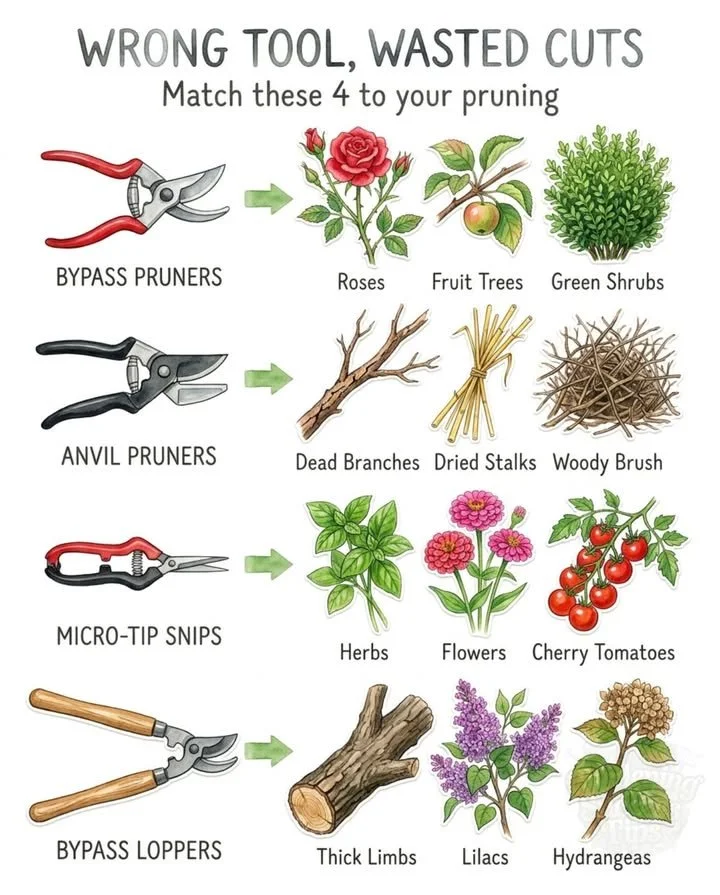
Bypass Pruners: Ideal for roses, fruit trees, and any live green wood, bypass pruners function like scissors. The blades pass each other to create clean cuts that promote quick healing. When using bypass pruners, you minimize damage and maximize plant health. Remember, anvil pruners can crush the stems of live plants, which is where many diseases begin, so it’s wise to choose the right tool for the job. For delightful recipes that can be made during gardening breaks, check out this bacon weave breakfast sandwich.
Anvil Pruners: These are suitable for hard, dead materials such as dried stalks and woody brush. The design allows the blade to come down onto a flat surface, enabling you to cut through tough branches effectively. While using anvil pruners on live wood can lead to damage, they’re perfect for cleanup tasks. You may also find Christmas Tree Cake Macarons useful.
Micro-tip Snips: These snips are perfect for delicate tasks, such as snipping herbs, flowers, and fragile vegetables. Their narrow blades can slide into tight spaces, making it easy to harvest or deadhead without causing unnecessary harm to surrounding foliage. You may also find Festive Christmas Donuts With useful.
Bypass Loppers: Designed for tackling thicker branches, these loppers leverage long handles to deliver powerful cuts without tearing the bark. If you encounter branches too thick for loppers, it’s better to switch to a saw rather than twisting to make the cut.
Preventing Pruning Problems
To maintain your tools and prevent common pruning issues, consider these essential habits:
Clean Your Blades: Always clean your tools with rubbing alcohol between plants. This practice helps prevent the transfer of harmful fungal spores without any visible signs.
Sharpen Regularly: Ensure your blades are sharp at least once a season. Dull blades can tear through bark rather than providing a clean cut, which invites pests and diseases into the plant.
Cut Above Buds: Make sure each cut is positioned just above an outward-facing bud or branch collar. The direction of this nearest bud dictates the growth pattern of the plant, so place your cuts wisely.
Using the right tool for the job is crucial. A clean cut made with the right pruner heals quickly, while a torn cut from an improper tool can lead to prolonged vulnerability.
Final Tips for Successful Pruning
Before embarking on your pruning adventure, keep these strategies in mind. Familiarize yourself with each tool’s specific purpose to avoid the common pitfalls associated with improper pruning. As a gardener, taking the time to understand your tools and techniques can significantly enhance your gardening experience. For festive inspirations, consider trying out some Christmas Eve cinnamon vanilla treats.
Conclusion
In summary, the type of pruning tool impacts both the cut quality and the resulting health of your plants. For more detailed industry standards, you can refer to the International Standard Industrial Classification of All Economic Activities. Additionally, for a nourishing recipe that complements your gardening lifestyle, check out The Life-Changing Loaf of Bread. Taking care of your garden in the right way promotes vitality and growth, ensuring a bountiful harvest.