
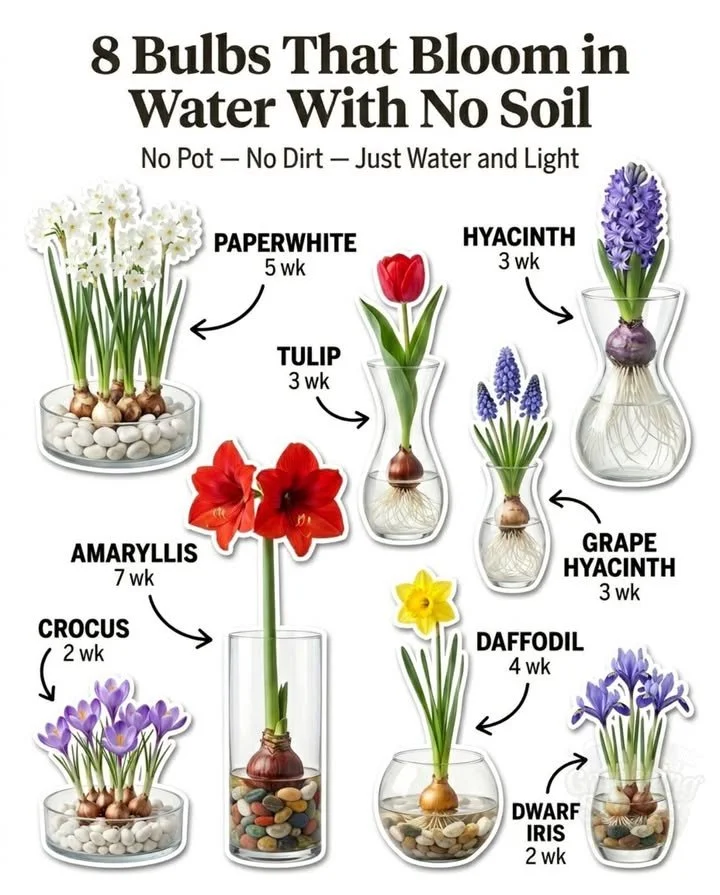
Forcing Spring Bulbs in Water: A Simple Guide
Imagine having a stunning flower display without the need for soil or a garden bed—this is the beauty of forcing spring bulbs in water. By utilizing just a glass vase and a bit of creativity, you can cultivate beautiful blooms right in your kitchen. In this article, we’ll explore how various spring bulbs thrive when forced in water, along with tips to ensure success. You may also find 5 Refreshing Watermelon Lemonade Ideas Youll Love useful.
The Process of Forcing Bulbs
Forcing bulbs in water is a straightforward process that allows you to witness the stunning transformation from bulb to flower. The first step is selecting the right bulbs. Some excellent options include paperwhite narcissus, hyacinth, amaryllis, crocus, and tulip. The entire process can develop roots that spiral downward while the flowers bloom above. You may also find Keto Creamy Tuscan Zucchini Noodles With Sausage useful.
For instance, paperwhite narcissus can bloom in just four to six weeks without any chilling needed. Simply place the bulb on pebbles within shallow water to kickstart the blooming process. If you choose hyacinths, however, be prepared to chill them for ten to twelve weeks before placing them in a forcing vase with water just below the base. This ensures fragrant blooms in about three to four weeks.
If you’re facing watering problems, such as those often encountered with tomatoes and carrots, consider that similar principles apply when it comes to forcing bulbs. Keeping the right water level and avoiding overwatering will yield the best results. You can read more about these common gardening issues in our detailed article on watering problems.
Exploring More Bulb Options
The versatility of forcing bulbs doesn’t end with the aforementioned varieties. Other delightful options include grape hyacinth, daffodil, and dwarf iris, all of which can also be forced through a similar chilling and watering process. For each of these, simply chill the bulbs, transfer them to water, and enjoy watching them grow.
Taking a closer look at amaryllis, this bulb produces bold, dramatic red trumpets in just six to eight weeks, all without chilling. Place the bulb in a vase filled with stones, ensuring that the water only touches the roots. This unique method not only decorates your home but also creates a captivating centerpiece. Interested in additional creative recipes? You might enjoy our post on cheesesteak tortellini!
Tips for Successful Bulb Forcing
To ensure your bulb-forcing endeavor is successful, remember these key tips:
- Chilling Requirements: Be mindful of the chilling requirements specific to each bulb. Some need several weeks in a cool environment, while others do not.
- Water Level: Maintain the correct water level to encourage healthy growth without over-saturation.
- Light Conditions: Once your bulbs begin to sprout, provide them with adequate light to promote blooming.
- Patience: Each type of bulb has its own timeline; patience is crucial to enjoy the blooming spectacle.
As you develop your indoor garden, consider the benefits of combining forced bulbs with other gardening techniques. Exploring the world of gardening can lead to wonderful discoveries, such as learning about the fascinating role of non-native praying mantises in your garden. You can find out more about their impact and whether they are beneficial or not in our article on non-native praying mantises.
Conclusion
Forcing spring bulbs in water is not only an enjoyable activity but also a beautiful way to bring life into your home. To delve deeper into the art of bulb planting and enhance your garden design, you can visit Planting Bulbs for Christmas – Satori Design for Living for valuable insights. Additionally, for inspiration on creating a stunning cut flower garden, check out this resource on cut flower gardening. Happy planting!