Mastering Watering Techniques for a Thriving Vegetable Garden
Watering your vegetable garden might sound straightforward, but the nuances are critical for the health of your plants. While you might instinctively think that wilting and yellowing leaves tell the whole story, the truth lies beneath the surface, particularly when it comes to distinct vegetables like tomatoes and carrots. Understanding the watering needs of different plants can make a world of difference in your garden’s success.
The Overwatered Tomato
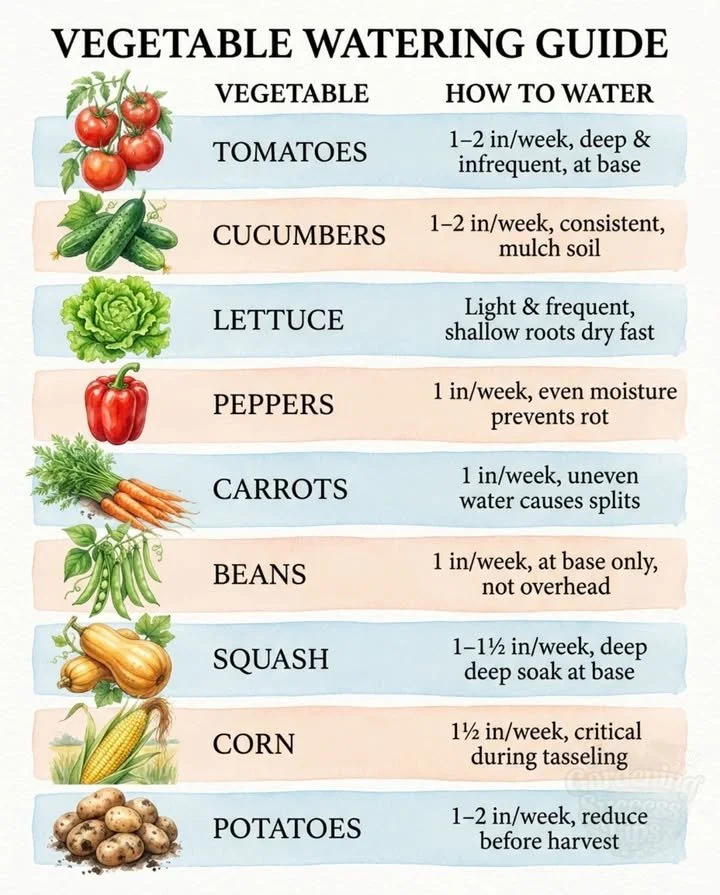
When it comes to overwatering, tomatoes take the crown. Tomatoes thrive with deep, infrequent soaks that encourage roots to grow downwards. A common misstep is providing daily light watering, which leads to shallow root systems. The result? A plant that appears distorted, with wilting leaves and poor fruit production. Additionally, wet leaves can create a breeding ground for diseases, making it crucial to water at the base only.
The Underwatered Carrot
On the other end of the spectrum, carrots are the most likely candidates for underwatering. When carrots don’t receive enough moisture, their roots stay shallow and brittle, struggling to chase down the water they so desperately need. Just like tomatoes, underwatering can manifest in similar symptoms—yellowing and stunted growth—but the underlying issues are very different. To avoid this, ensure that carrots receive consistent moisture; inconsistent watering can lead to cracked roots, ruining both the appearance and flavor.
Watering Guidelines for Other Vegetables
Generalizing can lead to problems; each vegetable has its unique needs. Here are some guidelines that cover the top vegetables often mismanaged:
Lettuce likes light, frequent watering since its roots typically extend only a few inches into the soil. Allowing the surface to dry too long can induce bolting, so maintain consistent moisture.
Corn demands the most water during its tasseling phase. Missing this critical period can result in poorly filled ears. Outside of this time, corn is relatively forgiving, but regular monitoring is essential.
Beans require special attention to their foliage. Watering at the base, rather than overhead, minimizes the risk of fungal problems that arise from wet leaves.
A Simple Rule to Follow:
One effective guideline for watering is to regularly check the soil moisture. Simply push your finger into the soil up to the first knuckle:
- If the soil feels dry at this depth, it’s time to water deeply.
- If it’s still damp, hold off on watering for a bit longer.
Remember, the calendar doesn’t dictate watering; the soil does. Adjusting your watering approach according to the needs of each vegetable will help ensure a bountiful harvest.
Conclusion
Watering is both an art and a science in the world of gardening. By becoming familiar with the specific needs of your vegetables—like giving tomatoes their infrequent deep soaks or providing carrots with steady moisture—you’ll cultivate a healthier and more productive vegetable garden. Embrace the soil’s knowledge and water wisely, for a flourishing garden awaits!
🌱 Happy gardening!