Understanding Seed Depth for Successful Germination
Every spring brings the same puzzling question for gardeners: how deep should these seeds actually be planted? This seemingly simple decision can significantly impact the success of your planting efforts. If you plant seeds too deep, they might run out of energy before reaching the sunlight. Conversely, planting them too shallow can lead to drying out during warm afternoons. You may also find Chinese Beef And Broccoli Takeout Style useful.
To help clarify this issue, many gardeners follow two essential rules regarding seed depth. For example, tiny seeds require minimal covering, as they need light to stimulate germination. On the other hand, larger seeds, like corn, need to be planted deeper to establish a robust root system. Understanding how deep to plant different types of seeds can be crucial for creating a thriving vegetable garden. One related resource you might explore is how to grow container vegetables with the same root depth.
Rules for Seed Planting Depth
When considering seed depth, two primary rules emerge for optimal planting: You may also find Baked Eggs With Spinach useful.
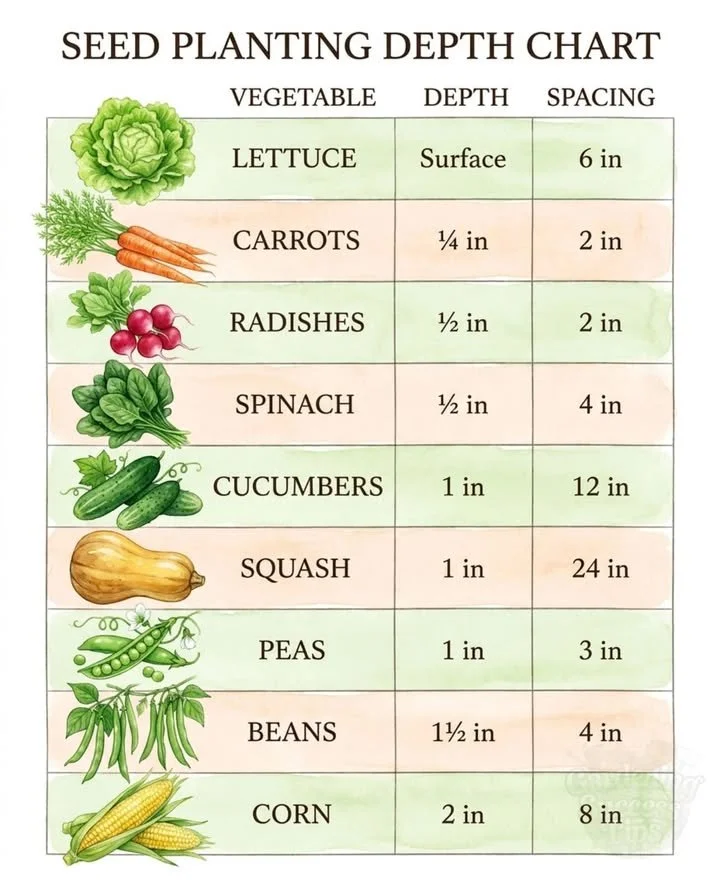
Tiny seeds should be planted shallow: If you can barely see the seed between your fingers, it’s best to plant it just below the surface or on top of it. This method is essential for seeds like lettuce, which require light for germination.
Larger seeds go deeper: If you can easily hold a seed between your two fingers, plant it to a depth of approximately twice its width. This ensures that seeds like beans or corn can establish a strong anchoring system to support their growth.
By following these simple guidelines, gardeners can significantly reduce the chances of failure when it comes to direct-sow beds, which are often blamed on poor soil quality rather than incorrect planting methods. You can also gain insights into how root systems interact with soil conditions by reading about what your plant roots reveal about underground conditions.
Common Mistakes with Seed Depth
Most crucially, many failed direct-sow beds do not stem from bad soil but rather from improper planting depth. If seeds are buried too deep, they may not have enough energy to emerge. Conversely, if they are too close to the surface, they might dry out quickly. This understanding can help novice and experienced gardeners alike create a flourishing garden.
Furthermore, it’s helpful to draw comparisons to other gardening practices. For instance, considering how deep to plant different vegetables can be akin to learning how to prepare meats properly, as indicated in a delicious recipe for sirloin steak sandwiches with balsamic glaze that requires precise techniques.
Conclusion
In summary, understanding the importance of seed depth in gardening can lead to more successful planting outcomes. By following the guidelines provided, gardeners can cultivate healthy and robust plants. For more information on creative offerings during lockdown, consider checking out Lockdown Poems – Ledbury Poetry Festival. If you’re looking for advice on keeping new grass seed consistently moist, you might find insightful discussions on relevant topics in the thread on Reddit. Happy gardening!