
Reviving Native Ground Covers: A Return to Our Roots
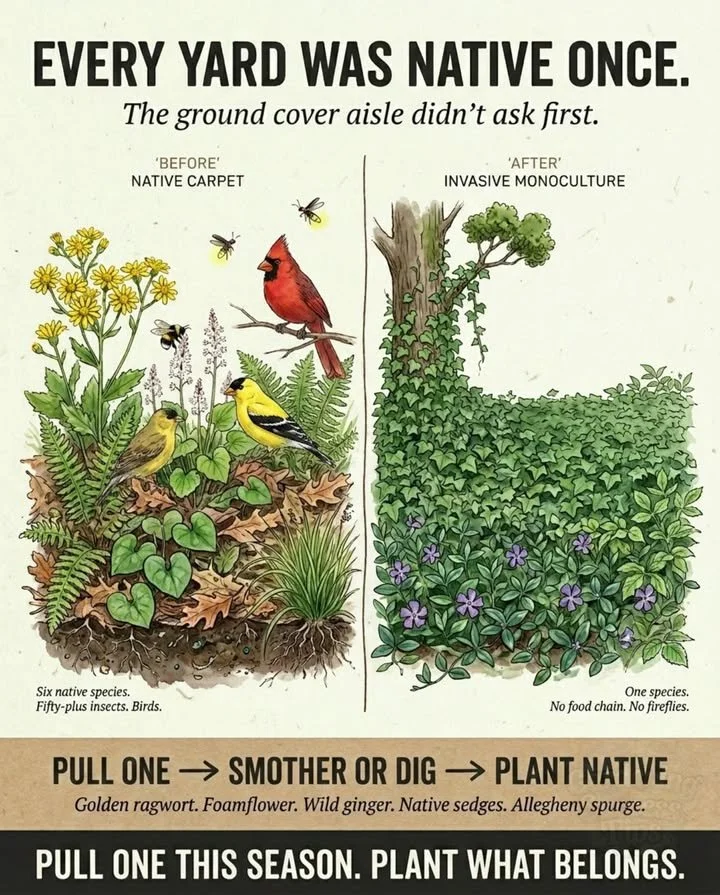
Every yard was once a canvas of native flora until aggressive, low-maintenance ground covers like periwinkle, English ivy, and pachysandra took over. Marketed for their easy upkeep, these plants often outcompete native species, disrupting local ecosystems. To reclaim your garden space, consider integrating native shade ground covers that not only thrive in the same conditions but also support local wildlife. You may also find Slow Cooker Creamy Tomato useful.
For instance, golden ragwort is a fast grower known for its vibrant yellow flowers and adaptability to dry shade. Similarly, foamflower thrives in moist environments, producing lovely white spikes during spring. These native plants not only beautify your yard but also contribute to the health of the local ecosystem.
Choosing the Right Native Ground Covers
Opting for native ground covers is an effective strategy to revitalize your yard. Start with ground covers that are suited to the specific conditions of your garden. For example, wild ginger serves as a slow-growing understory carpet that provides a lush appearance, while Allegheny spurge, which is a native alternative to pachysandra, is less aggressive and very effective.
In addition to their aesthetic benefits, these plants establish a foundation for biodiversity in your garden. To enhance your outdoor space, consider pairing these plants with culinary elements. For a refreshing drink that complements your garden experience, look into fresh lemon-lime fizz recipes that you can enjoy while tending to your plants.
Effective Removal of Non-Native Plants
To remove aggressive non-native plants like ivy, begin by cutting it at the base and peeling it back over the course of two seasons. Periwinkle can be smothered effectively under cardboard topped with four inches of mulch to prepare the area for replanting in the spring. This method not only cleanses the space but also allows your yard to remember its native essence.
In addition, planting native sedges can offer versatility as they adapt to various light conditions, making them ideal for any part of your garden. The key is to phase out non-natives by swapping one aggressive species for a native alternative each season.
Encouraging Local Wildlife
Implementing native ground covers fosters a thriving food web by providing habitat for various species. Consider enhancing your wildlife garden by integrating some beneficial plant choices into your landscaping. For example, featuring plants like foamflower alongside native sedges can significantly increase the appeal for local pollinators.
Furthermore, a vibrant garden can pair well with delicious recipes. Check out chocolate Italian cream soda recipes that can be a treat after a day spent gardening.
Conclusion
Transitioning your garden from non-native to native plants involves careful planning and execution. By following the steps outlined above, you can restore your yard to its original state, benefiting both your home and local wildlife. For more insight into local regulations affecting landscaping, you might explore the zoning bylaws in Dudley, MA or refer to the zoning ordinance in Fort Mitchell, Kentucky. Embrace the beauty of native plants for a sustainable and vibrant garden!