Creating a No-Dig Garden Bed: A Weekend Project
Starting a new garden bed can often feel overwhelming, especially when considering the typical processes of tilling, sod removal, and hauling topsoil. Fortunately, there is a simpler method known as sheet mulching, which eliminates the need for these labor-intensive tasks. Instead, by using cardboard, you can effectively smother weeds and grass while enriching the soil beneath. In fact, this technique not only saves time but often results in better soil health than traditional tilling methods, which can disrupt important fungal networks. You may also find Bake Superfood Brownie Bites useful.
Steps to Lay a No-Dig Garden Bed
To get started, you can easily create a new garden bed this weekend by following a few simple steps: You may also find Chocolate Cupcakes With Vanilla useful.
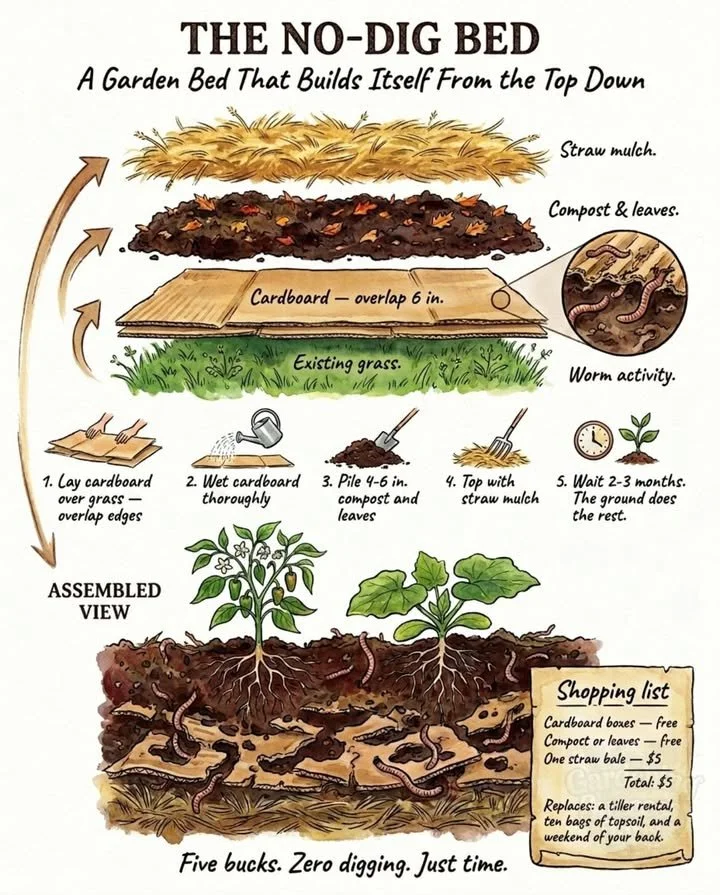
- Flatten Cardboard: Begin by flattening cardboard boxes and making sure to overlap the edges by several inches to prevent weeds from growing through.
- Lay Cardboard: Position the flattened cardboard directly over grass, weeds, or bare ground without needing to clear anything first. This method allows you to avoid the initial digging typically involved in bed preparation.
- Add Organic Material: Pile compost and aged leaves on top of the cardboard, creating a rich environment for your plants. Make sure to add enough material to allow for planting by the next season.
- Finish with Mulch: To conserve moisture and stabilize the layers, finish with a layer of straw or wood chips on top. This offers additional benefits for moisture retention and aesthetics.
- Water Thoroughly: Finally, make sure to water the entire area well, and then walk away to let nature take its course.
By following these steps, you’ll establish a thriving garden bed without the backbreaking labor normally associated with garden preparation. You may also find Christmas Tree Cupcakes With useful.
What to Plant in Your No-Dig Bed
After your bed has been established, it’s time to think about what to plant. The choice of crops can significantly impact your gardening success. Here are some ideal options for your new bed: You may also find Creamy Italian Meatball Soup Recipe useful.
- Squash and Cucumbers: These plants feature large leaves that shade the ground, helping to prevent weeds, while their roots benefit from the ample compost layer.
- Tomatoes and Peppers: These can thrive when transplanted through holes cut in the cardboard, as the compost layer provides nutrients and the cardboard minimizes weed pressure.
- Leafy Greens: Crops like lettuce, kale, and chard do well in the rich compost layer, taking advantage of the organic matter above while the cardboard decomposes below.
- Potatoes and Garlic: For potatoes, simply lay seed potatoes on top and cover them with straw. Garlic can be planted in the fall by pushing cloves through the compost layer.
Avoid planting deep-rooted vegetables like carrots and parsnips during your first year, as the intact cardboard layer may hinder their growth. However, by the second year, the cardboard will be mostly decomposed, allowing you to plant a wider variety of crops. You may also find Creamy Italian Meatball Soup useful.
Benefits of No-Dig Gardening
This method not only simplifies the process of preparing your garden bed, but it also enhances the soil’s biological structure. When you skip the tilling phase, you preserve vital fungal networks that support plant life. The resulting bed often has a healthier biology than those created through traditional digging methods. As worms and other beneficial organisms move in, they create natural channels in the soil that further improve aeration and drainage.
By utilizing the no-dig method, you can let your garden bed build itself over time, taking advantage of organic decomposition and natural ecosystems.
Conclusion
In summary, creating a no-dig garden bed can be a satisfying and straightforward project for your weekend. By embracing sheet mulching with cardboard, you’ll not only save time but create an enriching environment for plants to thrive. If you’re looking to dive deeper into gardening techniques, consider exploring resources on how to effectively nourish your food ecosystem, such as this insightful gardening method. You might also find useful tips about time-saving strategies for your garden at this gardening discussion.