Harnessing Nature for Pest Control in Your Garden
Most garden pest control starts at the hardware store, but it doesn’t have to. By strategically planting certain varieties, you can create a natural barrier against pests right in your own backyard. Various plants release compounds through their leaves, roots, or flowers that specific pests tend to avoid. This method requires no sprays, powders, or reapplication schedule — they work all season long as they grow. You may also find 5 Delicious Ways To Enjoy Chocolate Italian Cream Soda useful.
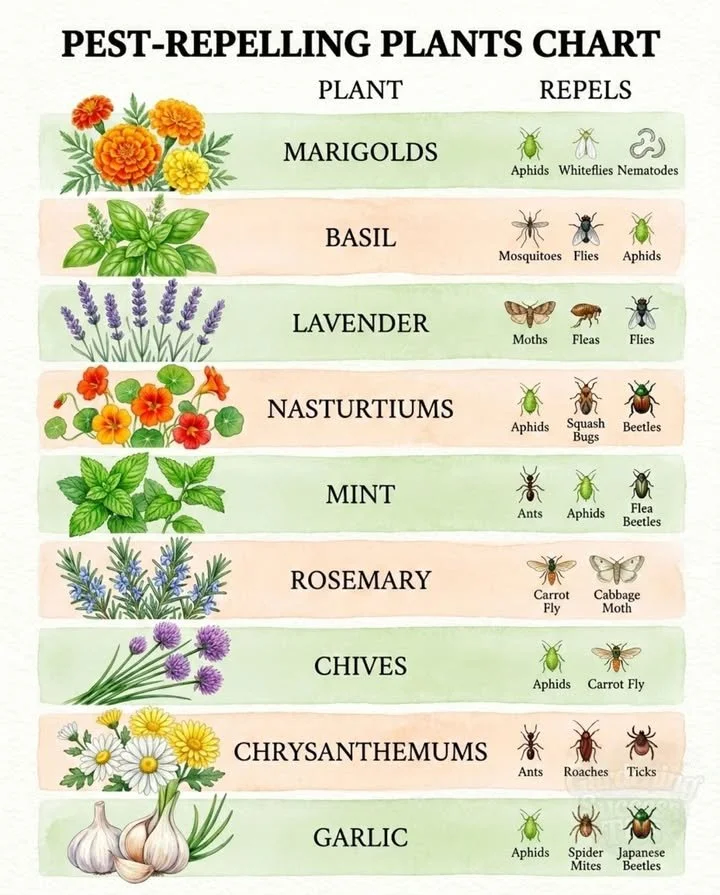
For instance, you may find that herbs are often underestimated in their pest-repelling capabilities. Placing basil next to tomatoes helps keep aphids and flies away from the fruit. Additionally, planting chives around carrots can discourage the notorious carrot fly that damages roots underground. Another effective option is rosemary, which can be tucked near brassicas to deter cabbage moths from making your crops their target.
The Role of Flowers in Pest Defense
Don’t overlook the powerful role flowers play in pest control. For example, marigold roots alter the soil chemistry surrounding them, making it less hospitable to nematodes that harm vegetable roots. In fact, gardening with marigolds has shown to protect vegetable beds for an entire season after they’ve been grown.
Additionally, certain plants are excellent at fulfilling specific roles in your pest plan. Nasturtiums, for instance, work as a trap crop, drawing aphids away from your vegetables when planted at the edges of your garden beds. On the other hand, mint, known to spread aggressively, should be planted in a buried pot. This ensures it won’t take over the very bed it’s intended to protect. Interplanting garlic with roses or between vegetable rows can effectively help repel aphids, spider mites, and Japanese beetles. You may also find Cheesecake Factory Italian Lemon Cream Cake 2 useful.
Create a Strategic Planting Plan
The most effective pest control strategy doesn’t reside in commercial products; rather, it’s rooted in a thoughtful planting plan. By selecting the right combinations, you can maximize your garden’s health and productivity. For instance, if you’re looking for comfort food inspiration, consider gathering ideas from hearty recipes that utilize the fresh produce from your organic garden.
Utilizing these natural methods, you can reduce your dependence on chemical pest controls and cultivate a thriving, diverse ecosystem in your garden.
Conclusion
Incorporating natural pest control strategies can transform your gardening experience. Many gardeners find success by starting with these organic methods. If you’re interested in exploring more about how different garden pests can be managed, check out this resource on hardware store products and also consider discussions around plant treatments on platforms like Reddit for community insights.