
The Art of Tree Propagation: Growing Trees From Cuttings
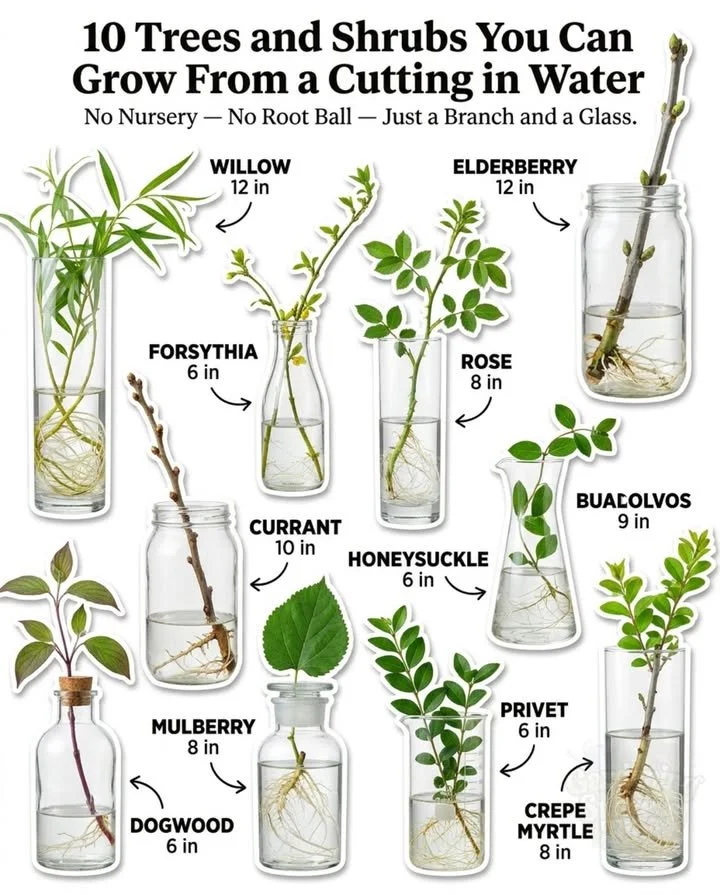
Tree propagation can be an exciting and cost-effective endeavor for gardeners and nature enthusiasts alike. A simple branch snapped off a willow tree during a storm can potentially become a new tree within just two weeks — without the need for a nursery or expensive equipment. In fact, dozens of trees and shrubs can take root from cuttings placed in water, making the process accessible to everyone. You may also find Biscoff Cookie Butter Cinnamon useful.
Willow trees, known for being quick rooters, typically develop visible roots within five to seven days. Interestingly, the cutting releases a natural rooting hormone into the water that encourages faster rooting in other plants as well. For those looking for more options, consider plants like elderberry and forsythia, which also root easily from cuttings. You may also find Coffin Sandwiches useful.
Popular Trees and Shrubs for Propagation
Elderberry is another favorable choice for propagation. By cutting a twelve-inch dormant stem in late winter and stripping the lower buds, roots will start to appear within three to four weeks. Similarly, forsythia can be propagated by snipping a six-inch stem of new green growth in spring, with roots forming in just two to three weeks. This technique can also be applied to roses, where an eight-inch stem from a healthy cane can yield roots in four to six weeks after removing the lower leaves and thorns.
For those keen on fruit-bearing plants, currants are a great option as well. Taking a ten-inch hardwood cutting in late fall allows the roots to develop slowly through the winter in water, making the plant ready for planting by spring. Other plants such as honeysuckle, mulberry, privet, dogwood, and crepe myrtle can follow this straightforward rooting method. Ultimately, the most expensive tree at a nursery likely started as just a simple stick in someone’s glass of water.
After gaining some experience with tree propagation, you might want to treat yourself with a sweet treat; a recipe for butter pecan praline poke cake might be just the sugar boost you need to celebrate your new plants.
Tips for Successful Propagation
To achieve successful propagation, ensure that you use healthy cuttings and a clean glass filled with water. Patience is critical, as roots typically develop over a timeline governed by the specific plant species. As you experiment with different varieties, you might discover an interest in baking, which could lead you to try out recipes for delicious buttery pecan snowball cookies that can be enjoyed while waiting for your new plants to grow.
When propagating, remember that conditions such as ambient temperature and sunlight can significantly affect rooting times. Implementing a controlled environment can lead to faster root development. If you’re looking for a tasty distraction as you monitor your plants, consider preparing a comforting dish like classic beef stroganoff to keep you nourished through the process.
By using these techniques, you can efficiently grow trees and shrubs from cuttings, transforming a few small stems into thriving plants.
Conclusion
In conclusion, propagating trees from cuttings offers not just an economical way to green your space but also a rewarding experience. For further insights on tree propagation methods, you could explore this helpful tip on propagating trees and shrubs. If you’re considering the placement of your newly grown trees, you may find it useful to read this discussion about potential regrets involving planting trees near your home on Reddit. Happy gardening!