Plants for the Low-Maintenance Garden
Not every gardener has weekends to spare — and not every border needs them. Some plants settle into a spot, spread quietly, and improve year after year without requiring deadheading, dividing, or any real attention. The trick is planting the ones that are built for neglect, such as those that can thrive in less-than-ideal conditions. For delicious recipes that could complement your gardening efforts, consider checking out Butterfinger balls for a sweet snack after your gardening tasks.
Eleven Plants That Improve with Minimal Attention
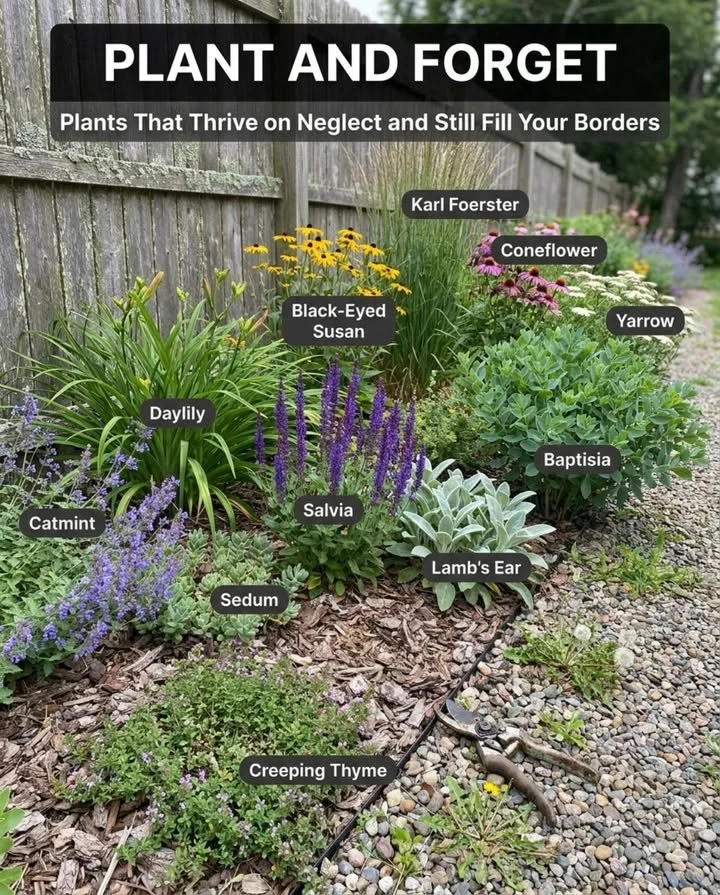
Catmint (Zones 3–8) — With its lavender-blue waves that bloom from late spring through fall, catmint is a stunning choice. A quick shear after the first flush leads to fuller growth thereafter. This plant is a magnet for pollinators, who frequent it as if it were a 24-hour diner. You may also find Cheesecake Factory Italian Lemon Cream Cake 2 useful.
Daylily (Zones 3–9) — These resilient perennials handle a range of soil types, whether clay, sand, or slopes, without complaint. They thicken into lush clumps and generously bloom through the summer heat, making them an excellent low-maintenance option. You may also find Cheesesteak Tortellini Creamy Provolone useful.
Salvia nemorosa (Zones 4–8) — Featuring deep violet spikes that maintain their shape for weeks, salvia nemorosa benefits from simple cutting back and will even rebloom afterwards. Its self-sufficient nature means it requires no staking or intervention. You may also find Comforting Italian Sausage Potato useful.
Sedum (Zones 3–9) — Sedum boasts tidy foliage throughout the season, with a gorgeous transition from pink to copper in the fall. The spent heads remain through winter, providing both structure and habitat for tiny garden creatures.
Black-eyed Susan (Zones 3–9) — This beloved perennial self-seeds just enough to fill gaps without becoming invasive. It produces vibrant gold blooms from midsummer into autumn, and the standing seed heads are a delightful snack for goldfinches throughout winter.
Additional Reliable Choices
Lamb’s ear (Zones 4–8) — Known for its soft, silver mats, lamb’s ear spreads steadily and thrives in dry conditions. The tactile quality of its leaves invites interaction, making gardens feel lived-in.
Feather reed grass (Zones 4–9) — This grass holds its shape through various weather conditions, adding vertical interest to your borders. With only a single spring cut back needed, it effectively minimizes maintenance.
Coneflower (Zones 3–8) — As a deep-rooted native, coneflowers efficiently manage drought and neglect while feeding birds in the off-season. Their resilience makes them a favored choice for low-maintenance gardens.
Yarrow (Zones 3–9) — Thriving in poor soils, yarrow proves to be a tough competitor against fussier plants. It naturally spreads to fill in thin spots, making it perfect for gardeners who prefer a hands-off approach.
Creeping thyme (Zones 4–9) — This delightful groundcover thrives even under foot traffic, providing fragrance whenever brushed against. It is an aromatic wonder in any low-maintenance border.
Baptisia (Zones 3–9) — Although slow to establish, baptisia transforms into a robust, permanent feature in your garden. Most gardeners notice its strength and beauty by year three, making it an unwavering anchor in the landscape.
The Common Thread
What ties these plants together is that they thrive without the need for fertile, amended soil. In fact, many perform better in lean conditions. If you have been struggling with poor soil, consider switching your strategy. Rather than continuously amending, focus on planting species that thrive in the existing conditions, such as those mentioned above.
For a tasty meal after some hard work in the garden, you might want to explore Crusted Chicken from the Cheesecake Factory, which offers hearty flavors that are just as comforting as a cultivated garden.
Conclusion
Creating a low-maintenance border doesn’t mean the garden has to look neglected. It can be a harmonious space that only needs the right plants. For insights on garden maintenance practices, consider visiting Audrey Driscoll’s Blog, which provides helpful tips on keeping your garden thriving with minimal effort. Additionally, you can find more methods for enhancing your borders with simple solutions through resources like Makkelijke ‘opvullers’ voor borders.