The Importance of Plant Placement in Gardening
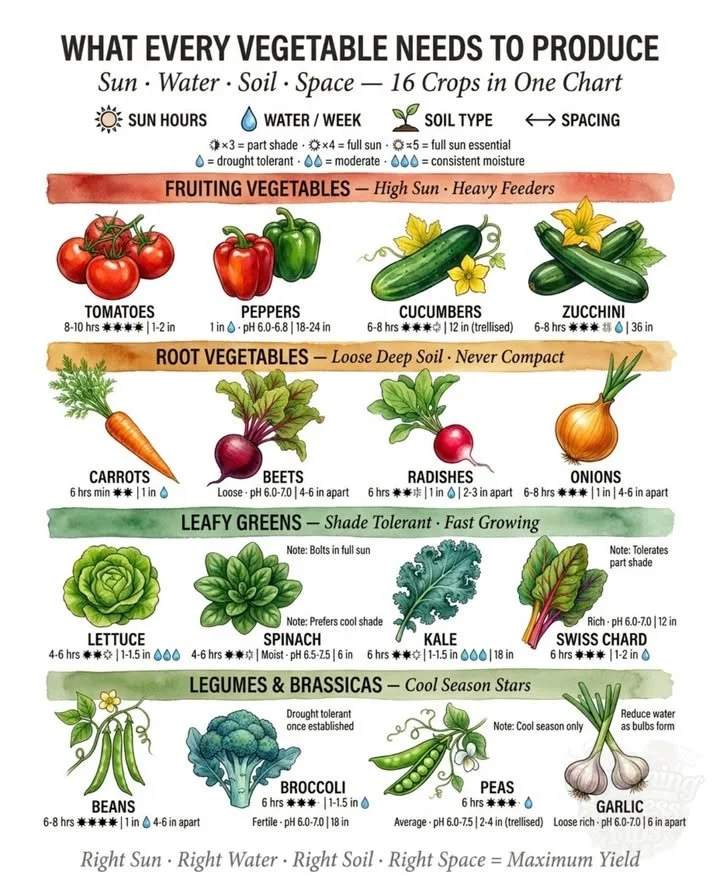
When it comes to successful gardening, many of us have made the mistake of placing plants based on our desires rather than their needs. For instance, I wasted two full seasons putting tomatoes where I thought there was enough sun. Unfortunately, they were not thriving, as I had hoped. This experience underscored the critical factors that dictate plant health: sun hours, water, soil type, and spacing. Understanding these elements is essential for achieving a thriving garden. You may also find Chicken Vesuvio Incredible That useful.
Understanding Plant Needs
Many vegetables can struggle when planted in unsuitable conditions. For instance, peppers placed in heavy clay soil often fail to produce fruit, illustrating the importance of choosing the right soil type for your crops. Similarly, carrots planted in compacted soil may not develop properly. It’s crucial to select locations that meet the specific needs of each plant rather than forcing them into your preferred garden layout.
Essential Factors for Plant Growth
Sunlight is one of the most significant factors influencing plant growth. Learn to identify the best areas in your garden that receive optimal sun exposure, as failing to do this can lead to stunted growth and disappointing yields. For example, lettuce planted in full afternoon sun might bolt quickly, leading to bitter, inedible greens. Thus, to cultivate a successful garden, it’s vital to assess light conditions and make adjustments accordingly. An excellent resource on this topic can be found in this article about keeping tomatoes and other crops pest-free.
Utilizing Available Space Wisely
Spacing between plants is also crucial for their overall health. Overcrowded plants compete for resources such as light, nutrients, and water, leading to less vigorous growth. In some cases, utilizing containers can be an effective solution, especially for heavy feeders, as explained in the article on container gardening. By maintaining the same root depth for heavy feeders, gardeners can optimize nutrient access and support healthy growth.
Adapting Skills for Future Seasons
If you find that certain plants thrive while others struggle, it’s a good opportunity to reassess your gardening methods. Growing new plants from cuttings is an excellent way to adapt and enhance your garden’s diversity and resilience. The technique, which allows gardeners to propagate new plants quickly, is elaborated on in the guide about growing new trees from cuttings.
Conclusion
Understanding how to effectively place your plants based on their specific needs can lead to a flourishing garden. To learn more about the common pitfalls faced by gardeners, check out this tweet where someone shares their experience with planting tomatoes in inadequate sunlight: I wasted two full seasons putting tomatoes where I thought there was…. Additionally, for more insights on building effective garden structures, you might find this discussion on a permaculture forum helpful: In which the garden fence is finally finished, and….