Edible Weeds: The Surprising Delicacies in Your Yard
As spring arrives, you might notice several weeds cropping up in your yard. While many people might pull these out and toss them, many of them are actually edible and can be quite tasty. Some of these plants might even rival the flavors of what you have in your fridge. Embracing these nature’s bounty can not only reduce waste but also enhance your culinary adventures. For example, you can find delicious and comforting dishes like cozy tomato tortellini soup that can be paired with your foraged greens.
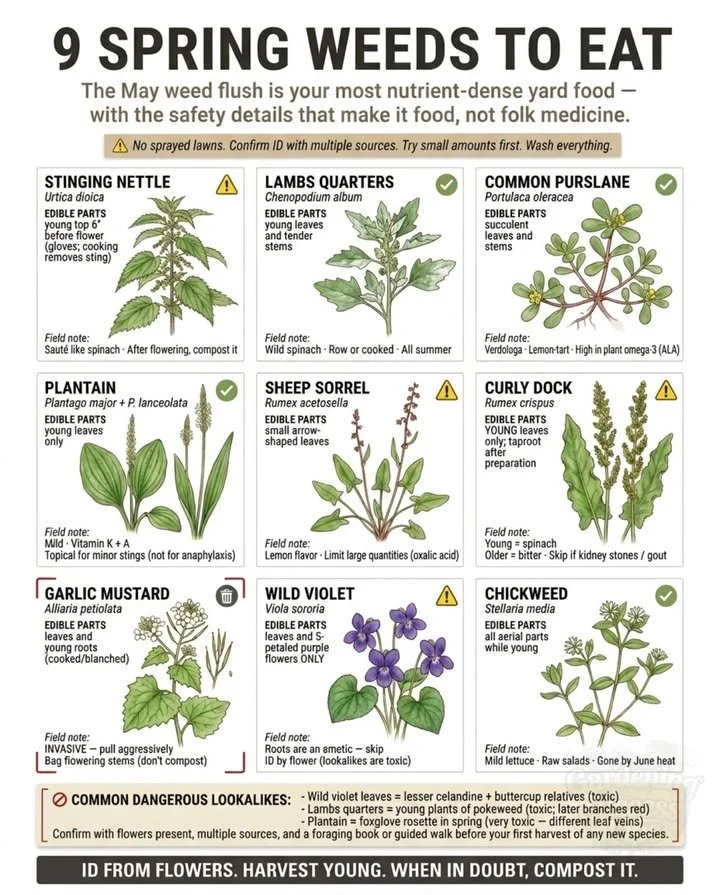
The Nine Edible Weeds You Should Know
Here are nine common weeds that are not only edible but also enriching for your meals: You may also find Beef Stroganoff Classic Creamy Dinner For Four useful.
Stinging Nettle: Wear gloves when harvesting! Pinch off the top few inches of new growth before it flowers. Cooking will neutralize the sting, making it a nutritious addition to soups or sauté dishes. You may also find Chicken Parmesan Soup Incredible useful.
Lamb’s Quarters: Often called wild spinach, this versatile plant can be enjoyed raw or cooked, and it keeps producing all summer long. You may also find Chocolate Oreo Cheesecake Incredible useful.
Purslane: This succulent has a pleasantly tart flavor and is an excellent source of nutrition. It thrives in dry areas and can be used in salads or cooked just like other greens.
Broadleaf Plantain: With mild and nutty young leaves, this weed is another common edible found in many gardens and sidewalks. Harvest early to avoid stringy older leaves.
Sheep Sorrel: Featuring arrow-shaped leaves with a lemon tang, sheep sorrel can be used to add a zesty touch to salads and sauces, but should be consumed in moderation.
Curly Dock: Similar to spinach when young, its older leaves can become bitter. It’s best to utilize the young growth and be cautious if you have kidney issues due to its oxalic acid content.
Garlic Mustard: This invasive species is not just a nuisance but also has delicious garlic-onion flavored leaves that can be lightly cooked or blanched before use.
Wild Violet: The heart-shaped leaves and stunning purple flowers are edible, although caution is required as the roots can be harmful.
Chickweed: With its mild flavor and small star-shaped flowers, chickweed can be a delightful addition to raw salads, making it a great summer green to seek out.
Best Practices for Foraging
When foraging for these edible weeds, it’s essential to be cautious. Always avoid areas that may be sprayed with pesticides or herbicides, and ensure proper identification through multiple sources before consuming any plants. It’s wise to start with a small amount to check for any personal adverse reactions. Be sure to wash everything thoroughly before cooking or adding to your dishes.
For those looking to explore creative recipes, consider trying out a preparation of creamy chicken tortellini soup that can incorporate your freshly foraged greens.
The Foraging Window
Most of these edible weeds are best harvested during the initial weeks of spring growth. Young leaves are typically tender and mild, while older plants may become tough or bitter. Interestingly, garlic mustard should be aggressively removed as it’s invasive, while other weeds can continue to be harvested over time.
By recognizing the edible potential in your yard, you can turn weeding into a culinary opportunity while fostering a healthy environment. The weeds you typically discard could be turned into extraordinary dishes—after all, foraging opens a world of possibilities in your own backyard.
Conclusion
Incorporating foraged plants can significantly enhance your meals while promoting sustainability. If you’re interested in learning more about garden practices, resources like I am Keith St. Jean on Reddit provide valuable insights. For further discussions on gardening techniques, you might enjoy listening to Joe Lamp’l’s podcast episode focused on answering common questions. Happy foraging!