Perfect Plant Groupings for Indoor Garden Success
Creating a thriving indoor garden can often feel overwhelming, especially if you’re not quite sure which plants work well together. The key is understanding that houseplants have specific climate needs. By grouping plants that share similar moisture and light requirements, you can create a harmonious environment. This approach not only enhances your indoor space but also ensures your plants flourish. For example, you might enjoy a delicious dessert while working on your gardening skills; consider trying Grandma’s Bread Pudding for a comforting treat during your plant care routine.
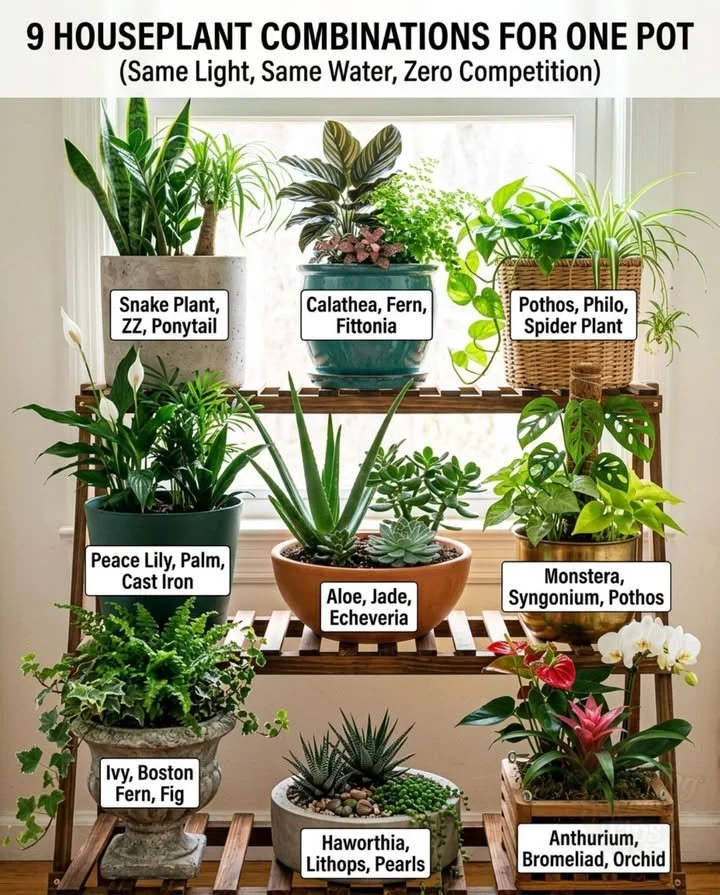
Nine Effective Plant Groupings
Let’s delve into some successful plant combinations that will thrive together and avoid the common pitfalls of mixing contrasting needs. You may also find 5 Refreshing Watermelon Lemonade Ideas Youll Love useful.
Snake Plant, ZZ Plant, and Ponytail Palm: These three are champions of drought tolerance, thriving in an unglazed pot that dries out quickly. They can survive long periods without water, making them ideal for busy plant parents. You may also find Grandmas Famous Sweet Potato Butter Cake useful.
Calathea, Maidenhair Fern, and Fittonia: This trio loves humidity and consistently moist soil. A glazed ceramic pot helps retain moisture, and by placing them on a tray of wet pebbles, they can create their own humid microclimate. You may also find Tandoori Chicken Incredible You useful.
Pothos, Heartleaf Philodendron, and Spider Plant: Known for being low-maintenance, this group is perfect for those new to houseplants. Any pot with proper drainage is suitable to keep their moderate watering needs met. You may also find 10 Easy Summer Recipes Drinks Desserts useful.
Peace Lily, Parlor Palm, and Cast Iron Plant: These plants thrive in low light and preference for steady moisture. A taller pot with a reservoir is best for them, flourishing even in darker corners of your home.
Aloe, Jade Plant, and Echeveria: This arrangement requires full sun and excellent drainage, best suited to a shallow terracotta bowl. The terracotta material helps wick moisture away from their roots, essential for preventing rot.
Monstera Adansonii, Syngonium, and Neon Pothos: These climbing tropicals appreciate a bit of support. When potted around a moss pole, their aerial roots will cling, allowing them to grow upward instead of trailing.
English Ivy, Boston Fern, and Creeping Fig: Preferring cooler conditions and consistent moisture, these plants can be successfully housed in a stone or concrete planter. This helps create a suitable environment away from the heat favored by tropical plants.
Haworthia, Lithops, and String of Pearls: A wide, shallow dish filled with gritty cactus mix is perfect for these plants. With shallow roots and drought tolerance, they need minimal soil depth for healthy growth.
Anthurium, Bromeliad, and Moth Orchid: These epiphytes thrive without soil, requiring airflow around their roots. Using a slotted wooden basket or an orchid pot permits the necessary air circulation for healthy growth.
The Golden Rule of Plant Grouping
An essential guideline for successful plant arrangements is that if one plant consistently stays wet while another remains dry, they do not belong in the same pot. Instead, prioritize grouping plants by their watering needs before considering aesthetics; this can prevent disastrous results in your gardening efforts.
Conclusion
Caring for houseplants can be enjoyable and fulfilling when the right pairings are made. For more ideas on how to take care of plants that will thrive in your apartment, check out my top picks for easy apartment plants. If you’re interested in discussing different plant arrangements or seeking advice from other plant enthusiasts, the weekend open thread at Ask a Manager could be a valuable resource. Happy planting!