Choosing the Right Shade Plants for Your Garden
Shade planters often fail not because they lack sunlight, but because of the diverse moisture needs of shade plants. The term "shade plant" encompasses a wide variety of species—from bog ferns to dry-soil hellebores—each with its own water requirements. To achieve a thriving container garden in shaded areas, matching the moisture preferences of these plants is crucial. This article will explore six effective shade plant combinations, offering tips for successful growth. You may also find Grandmas Famous Sweet Potato Butter Cake useful.
Six Effective Shade Plant Groupings
Heavy Drinkers
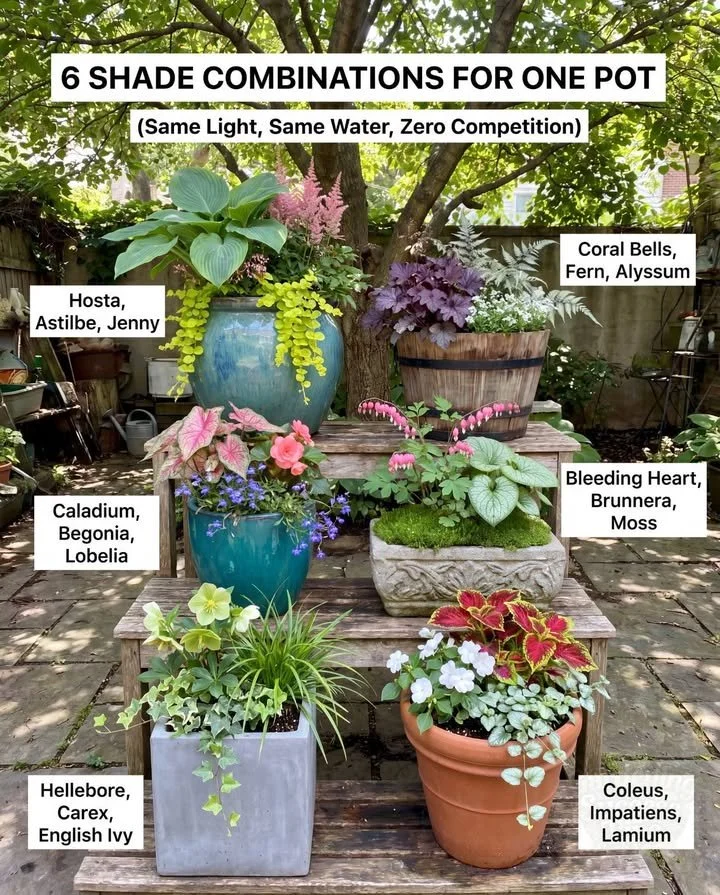
For those damp, deeply shaded corners where most plants sulk, consider using a grouping of hostas, astilbe, and creeping Jenny. These plants are all heavy drinkers and visibly wilt when under-watered. Utilizing a glazed or plastic pot that retains moisture longer can be beneficial. To learn more about creating optimal plant environments, you can explore this mixed plant layout.
Dappled Light Favorites
In areas with dappled light, a combination of coral bells, Japanese painted fern, and sweet alyssum thrives. While the fern and coral bells provide vibrant foliage, the sweet alyssum adds soft, low blooms. A lined wooden planter works well here, as it allows the wood to breathe while maintaining consistent moisture levels. You may also find Grandmothers Planting Calendar Lilac Bloom Soil Temperature useful.
Tropical Trio
For warm shaded areas, consider caladium, tuberous begonia, and trailing lobelia. This tropical trio loves heat and humidity, making them perfect for covered porches in summer. Unlike other shade plants, they actually prefer warmer conditions. You might also explore growing sweet potatoes in similar environments; details can be found in this helpful guide on how to grow sweet potato plants from grocery store potatoes.
Spring Bloomers
If your shade garden experiences cool, damp conditions in spring, a good combination includes bleeding heart, brunnera, and Irish moss. These plants peak early in the season and create a lovely display before summer demands arrive. To ensure they flourish, plant them in areas that receive morning coolness and afternoon shade. You may also find Irresistible Greek Potatoes With Lemon And Garlic useful.
Dry-Shade Survivors
Some areas of your garden may experience dry conditions, particularly under trees where roots compete for water. In these scenarios, hellebore, carex grass, and English ivy can survive with minimal moisture. This unique combination is ideal for spots that are often neglected because they require less regular watering.
Bright Indirect Light
Lastly, for those who have bright yet indirect light, a mix of coleus, impatiens, and lamium can flourish. These plants grow quickly and require consistent feeding to maintain their vibrant growth throughout the season. Feeding them every couple of weeks is essential to prevent them from stalling during the hotter months.
Understanding Shade Conditions
One significant detail that many gardeners overlook is that "shade" isn’t a single condition. There is a stark difference between morning shade with afternoon sun, deep all-day shade, and dappled light filtered through tree canopies. A plant like a hosta may thrive in deep shade, while coral bells prefer some level of filtered light. Therefore, it’s vital to match the type of shade to the needs of each plant, a nuance that can dramatically affect your garden’s success.
Conclusion
Successfully creating a shade garden involves understanding the specific moisture needs of different plants. Combinations like hostas and astilbe work well in damp areas, while hellebores can survive drier surroundings. For further inspiration, consider checking out the list of full shade plants that will look great in your yard. Additionally, learn about good groundcovers that can complement your shade gardening efforts. By paying attention to moisture needs and light conditions, you can create a lush, thriving space even in the shadiest parts of your garden.