Grouping Houseplants: The Key to Thriving Indoor Gardens
Many indoor plant arrangements fail, not due to a lack of care but because of improper groupings of plants. For instance, placing a desert succulent next to a jungle fern will likely lead to disaster, as these plants thrive in very different conditions. Understanding how to properly group plants based on their climate preferences is essential for successful indoor gardening. For detailed guidance on why these mismatches occur, check out this informative article on houseplant arrangements.
Key Groupings for Success
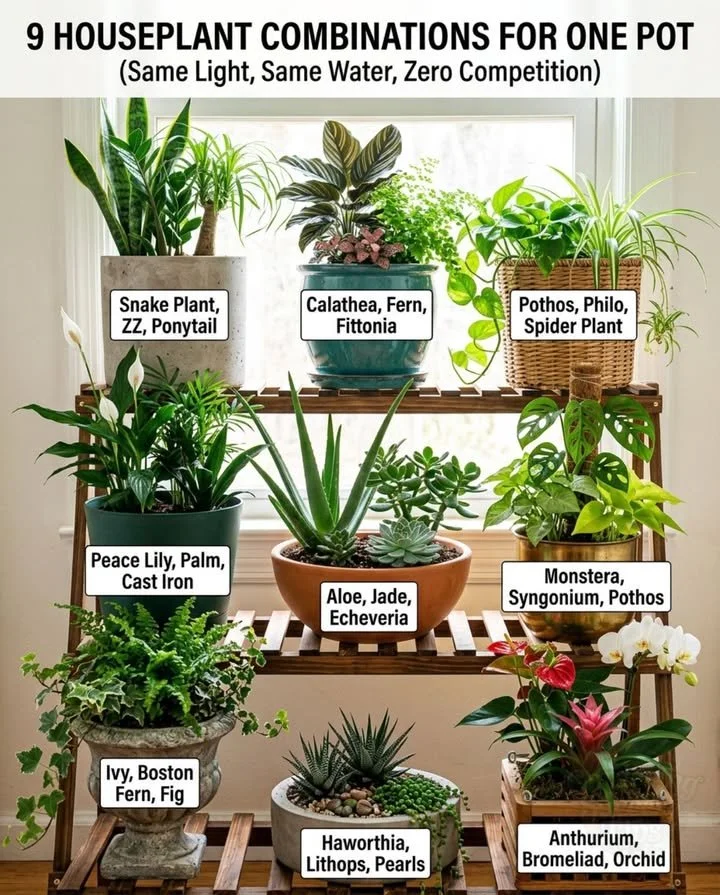
Drought Tolerant Plants: The snake plant, ZZ plant, and ponytail palm all thrive on minimal water. These plants prefer to dry out between waterings, making unglazed pots a suitable choice as they allow moisture to evaporate. Because of their hardiness, they can actually suffer from overwatering. You may also find Grandmas Bread Pudding Served useful.
Moisture-Loving Plants: For those who enjoy lush greenery, group calatheas, maidenhair ferns, and fittonias together. These plants require consistently moist soil and high humidity, making a glazed ceramic pot ideal for retaining moisture. Placing them on a tray of wet pebbles can create a microclimate that promotes humidity. You may also find 5 Refreshing Watermelon Lemonade Ideas Youll Love useful.
Beginner-Friendly Plants: If you’re new to indoor planting, consider starting with pothos, heartleaf philodendron, and spider plants. They are particularly forgiving and can thrive in a variety of conditions, especially in pots with drainage. A lined basket gives a charming touch while ensuring proper drainage. You may also find Grandmas Famous Sweet Potato Butter Cake useful.
Low Light Lovers: Plants like the peace lily, parlor palm, and cast iron plant excel in low-light environments. A pot with a reservoir will keep the soil consistently moist, and they will flourish in typically dim areas of your home. You may also find Open Planting Window Cool Season Vegetables Germinate Cool Soil useful.
Succulents and Cacti: Aloe, jade plant, and echeveria all enjoy full sunlight and rapid drainage. Choose a shallow, unglazed terracotta bowl to prevent water retention at the roots. These species need careful attention to their watering schedule to thrive.
Climbing Tropical Plants: Monstera adansonii, syngonium, and neon pothos are ideal for those who have vertical growing spaces. Using a moss pole in a deep container allows the aerial roots to attach and encourages their climbing habit.
Cool-Climate Plants: If you prefer cooler air, an arrangement of English ivy, Boston fern, and creeping fig is suggested. These plants need consistent moisture and do better in cooler rooms, making a stone or concrete planter a fitting option.
Shallow-Rooted Plants: For a unique arrangement, combine haworthia, lithops, and string of pearls. These plants require a shallow dish filled with a gritty cactus mix to avoid root rot, particularly important for lithops.
Epiphytic Species: Finally, group anthuriums, bromeliads, and moth orchids together, as they naturally grow in trees and need good airflow around their roots. A slotted basket or an orchid pot with side holes provides the perfect environment for these unique plants.
The Age-Old Rule for Grouping
A fundamental rule in plant care indicates that if one plant in a container remains consistently wet while another is dry, they should not be together. Addressing water needs first can lead to happier, healthier plants while keeping aesthetics in mind secondarily.
Conclusion
By understanding these essential groupings for indoor plants, you can create dynamic and harmonious plant arrangements that thrive together. Consider exploring some of the top low-maintenance apartment plants detailed in this useful guide to further enhance your indoor garden. Additionally, engage with fellow plant enthusiasts in the weekend open thread for advice and shared experiences. Happy planting!