Understanding Deadheading in Your Garden
Not every faded flower needs your pruning shears. In fact, some perennials bloom longer when you deadhead them, while others gain no advantage from it — and a few are better off left alone. The difference lies in whether the plant produces repeat flushes or blooms once and moves on. To learn more about how various plants respond to deadheading, visit this article on types of compost that can influence their health.
When you cut the spent flower before seeds form, you trick the plant into trying again. However, this strategy only works on species that are wired for multiple rounds of blooming. You may also find Peonies Care After Bloom Next Year Display useful.
Deadheading Helps These Perennials Bloom Longer
Certain plants thrive when you regularly deadhead them. Here are some examples: You may also find Banana Bread Recipe My Favorite Moist Loaf useful.
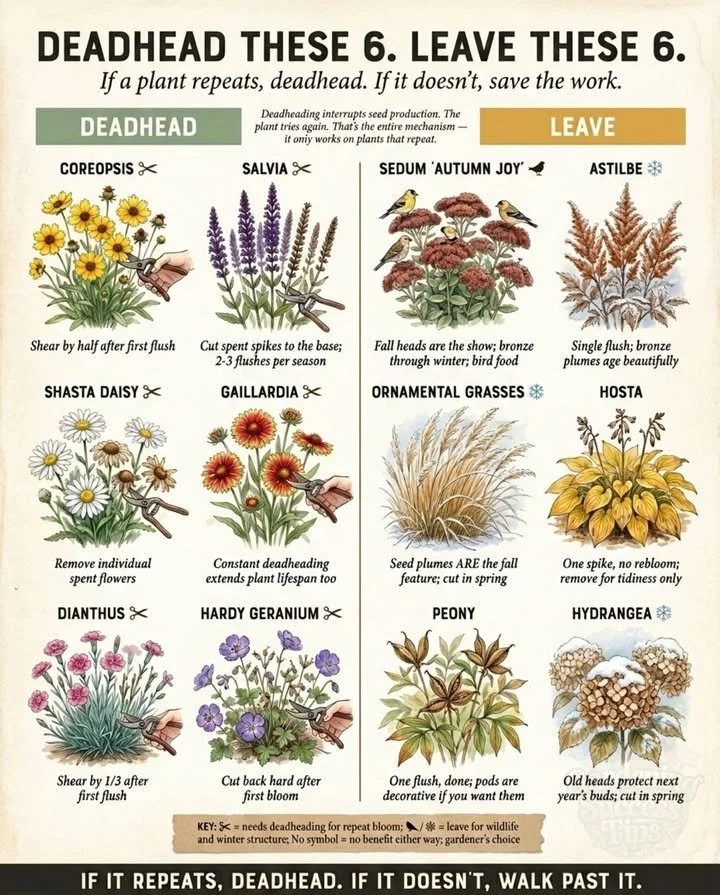
- Coreopsis: By shearing back by half after the first flush, this perennial continues to bloom into fall.
- Perennial salvia: Cutting spent spikes to the base encourages most varieties to produce second and third rounds.
- Shasta daisy: Removing spent flowers individually can lead to steady rebloom throughout the summer.
- Gaillardia: Regular deadheading not only extends its bloom period but also contributes to the plant’s lifespan.
- Dianthus: After the first flush, a quick shear will prompt a second wave of blooms in about a month.
- Hardy geranium: Cutting back hard after the first bloom stimulates fresh foliage and encourages additional flowering.
For plant enthusiasts looking for creative ways to enhance their garden, they might appreciate this delightful holiday spiced café au lait recipe that can be enjoyed while tending to their plants.
Plants That Should Be Left Alone
On the other hand, some plants do not benefit from deadheading at all. These include: You may also find Biscoff Banana Pudding useful.
- Sedum: The fall flower heads turn a lovely bronze and provide structure throughout winter, attracting birds that feed on seed heads.
- Astilbe: With just one bloom flush, the spent plumes themselves develop an attractive bronze hue.
- Ornamental grasses: Their seed plumes are a fall and winter feature; cut back in spring instead.
- Hostas: They bloom from a single spike, so removing it changes nothing for the next round.
- Peony: This flower gives a single flush; seed pods may remain or be removed as it is largely cosmetic.
- Hydrangea: The old flower heads play a protective role for buds to bloom the following year. It’s best to leave them until spring.
The plants that have repeat blooms are asking for your help through deadheading; however, the ones that don’t are already finished. The seed heads they leave behind are often more beneficial than you realize.
Conclusion
Incorporating the right maintenance strategies can enhance your garden’s beauty and lifespan. For those who have questions about rose care, the FAQ’s — The Knock Out® Family of Roses is an excellent resource. Additionally, if you’re wondering about the health of your hydrangea, you might find some insights in a discussion on gardening forums. Happy gardening!