Understanding Different Types of Compost and Their Uses
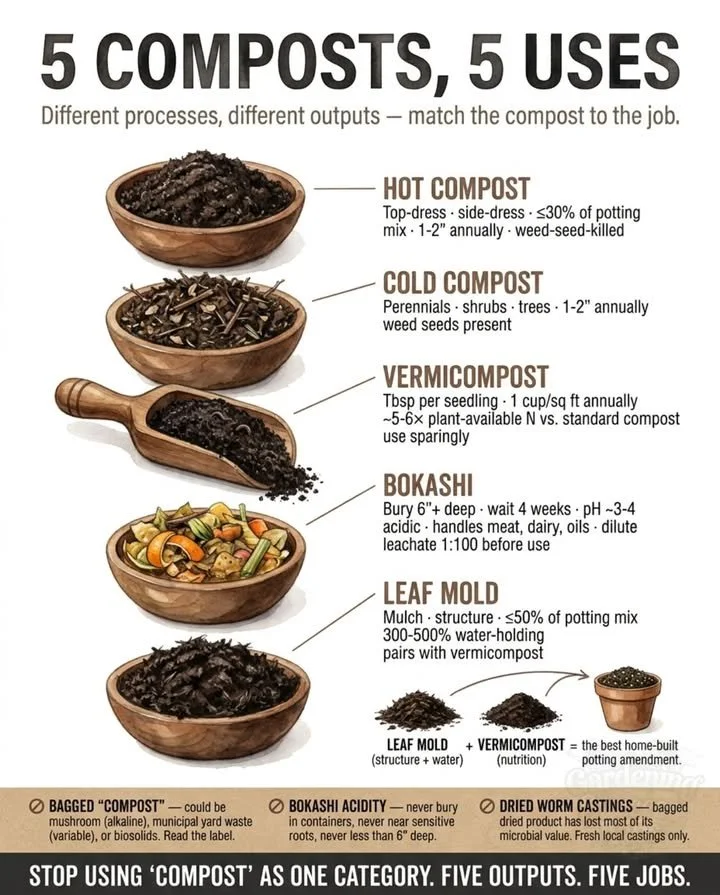
Not all compost does the same job. Five distinct processes yield five different products—using the wrong type in the wrong place can lead to issues like compost burning your plants, while others may achieve fantastic results. The term "compost" encompasses a variety of materials, ranging from crumbly black gold to acidic pickled scraps, and even low-nutrient leaf mold. Understanding which type of compost you are working with is crucial for maximizing its effectiveness. You may also find Butterfinger Balls For Everyone useful.
Types of Compost
Hot Compost
Hot compost is the all-purpose option that most gardeners rely on. This type of compost is fully broken down, resulting in dark, crumbly material. The heat generated during its creation kills weed seeds, making it safe for widespread use. You can easily spread an inch or two on top of beds each spring or mix it into new beds. Many recipes that utilize rich compost, such as asparagus risotto, benefit greatly from this versatile option.Cold Compost
While cold compost eventually yields the same end product, it is made slowly over a year or more at ambient temperatures. Due to the lower heat, some weed seeds and pathogens may survive the process. This makes cold compost more suitable for use around perennials, shrubs, and trees, where a few weed seedlings won’t pose a significant problem. Just remember to avoid spreading it on vegetable beds that are already prone to weeds. You may also find 5 Refreshing Hibiscus Tea Pineapple Smoothie Ideas useful.Worm Castings
Worm castings, produced by red wigglers processing kitchen scraps, are concentrated in nutrients and much richer than standard compost. These should be used sparingly—just a small handful per transplant hole or a thin layer around heavy feeders mid-season is ideal. Unlike bulk amendments, fresh, locally produced castings are far more effective than their dried bagged counterparts, which lose much of their biological value over time. You might also enjoy using them in sweet treats like banana pudding tiramisu.Bokashi
Bokashi is unique in that it involves fermented kitchen scraps. The finished product appears pickled and smells acidic, meaning it shouldn’t be spread directly on garden beds. Instead, bury Bokashi several inches deep in a trench within an empty section of your garden and allow about a month for the soil to neutralize it before planting near it. The advantage of Bokashi composting is its ability to handle materials like meat, dairy, oils, and citrus, which typical compost piles cannot accommodate.Leaf Mold
Leaf mold consists entirely of decomposed leaves and is low in nutrients but excels at holding moisture and improving soil structure. It’s an excellent addition when mixed into potting soil or used as mulch in shaded areas. Pairing leaf mold with worm castings can create a complete amendment, as the leaf mold helps retain water and structure while the castings provide essential nutrition. If you’re looking for a delicious complement to your gardening efforts, consider trying your hand at irresistible honey cornbread muffins.
Choosing the Right Compost
One important detail that many people overlook is that the "compost" labeled on bags at garden centers often refers to a general category rather than a specific compost type. For example, mushroom compost can run alkaline and salty, while municipal yard-waste compost can vary significantly from batch to batch. Products based on biosolids often behave differently than those based solely on plant material. It’s essential to carefully read labels before using these products, especially near acid-loving plants like blueberries, which can be damaged by alkaline mushroom compost.
Conclusion
In summary, matching the type of compost to the specific job at hand is critical for achieving thriving plants without adverse effects. If you want to learn about common gardening pitfalls, check out the podcast on the biggest gardening mistakes. Additionally, for a comprehensive guide on composting practices, visit the US EPA site on composting at home.