
The Benefits of Planting Corn, Beans, and Squash Together
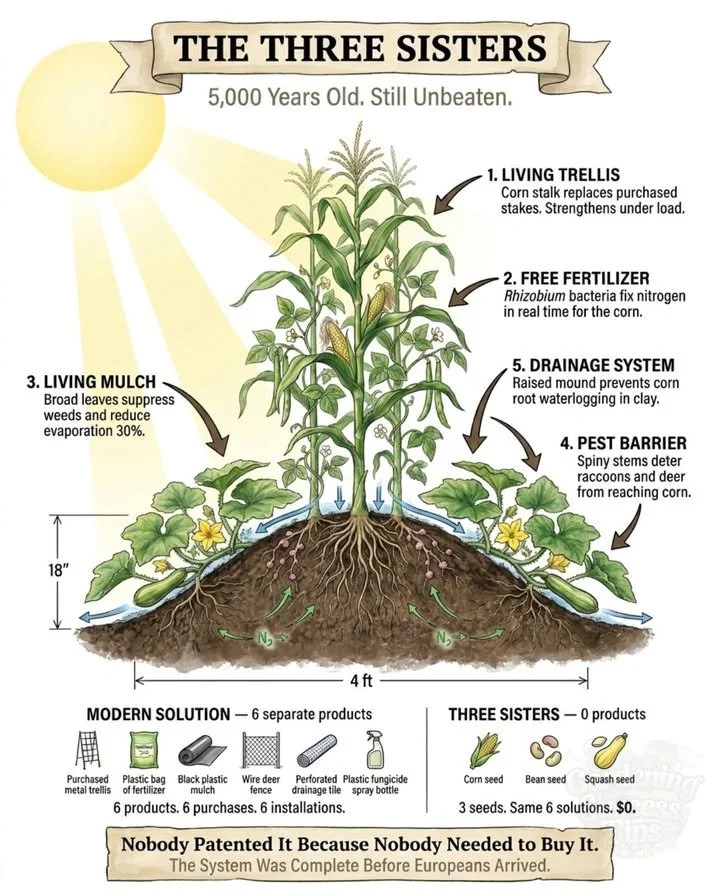
The age-old practice of planting corn, beans, and squash in the same mound, often referred to as the "Three Sisters," is a sustainable gardening technique that offers numerous advantages. This method not only maximizes space but also promotes a symbiotic relationship among the three crops, addressing six common gardening problems without the need for purchased solutions. This technique has deep roots in the agricultural practices of indigenous peoples in the Americas. You may also find Indulge Candy Corn Hot useful.
By planting these three crops together, the corn serves as a natural trellis for the climbing beans, which enrich the soil with nitrogen—a nutrient vital for the corn’s growth. Meanwhile, the squash’s broad leaves spread out at the base to cover the ground, preventing weeds from thriving and helping retain moisture, which is essential for all three plants. If you are intrigued by other healthy gardening practices, explore this festive fruit salad recipe that highlights fresh produce.
How to Start Your Three Sisters Garden
To establish your Three Sisters garden, start by forming a flat-topped mound approximately eighteen inches high and a few feet in width at the base. Begin by planting corn seeds in the center of the mound, allowing them time to sprout and develop before introducing beans. Once your corn reaches a few inches tall, it’s time to sow pole bean seeds around the corn stalks. It’s crucial to choose pole beans rather than bush varieties to fully capitalize on the climbing behavior. You may also find Sirloin Steak Sandwich With Balsamic Glaze useful.
At the base of the mound, plant winter squash or pumpkins, which will grow outward and shade the ground, adding to the overall effectiveness of this planting strategy. For optimal results, consider using tall corn varieties, such as sweet corn, alongside pole beans like scarlet runner or rattlesnake, and winter squash varieties like butternut or acorn. This sustainable method not only yields a bountiful harvest but also embodies the principles of companion planting. If you’re exploring ways to create hearty meals, check out this delicious honey cornbread muffin recipe.
Advantages of the Three Sisters System
The advantages of using the Three Sisters planting technique are extensive. The mound’s design effectively drains excess water away from the corn roots, which require air, and directs it towards the more moisture-tolerant squash roots at the mound’s base. This thoughtful configuration promotes a beneficial airflow that reduces the humidity often associated with fungal issues.
Additionally, by utilizing only these three crops, gardeners can avoid the need to invest in various supplies such as trellises, fertilizers, and pest barriers, significantly reducing their gardening overhead. Moreover, this system is a testament to the wisdom of traditional agricultural practices that have thrived for centuries. For further culinary inspiration, consider pairing your squash with some seasoned grilled chicken wings for a delightful meal.
Conclusion
In summary, the practice of planting corn, beans, and squash together—known as the Three Sisters method—offers a myriad of benefits, including enhanced growth, reduced need for external inputs, and a sustainable gardening approach. This ancient practice continues to resonate with modern gardeners seeking eco-friendly solutions. To delve deeper into companion planting techniques, you might find valuable insights on this Three Sisters Gardening page. Furthermore, read about historical and practical aspects surrounding this system on Twitter through this informative post.