
Regrowing Vegetables: A Guide to Maximum Harvests from Your Kitchen
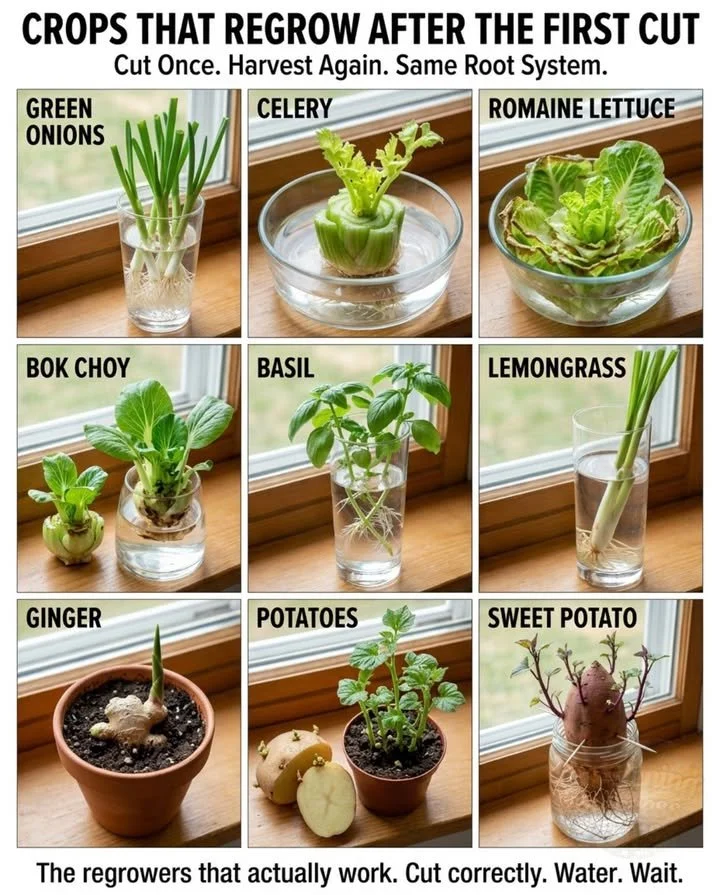
Did you know that some vegetables can yield multiple harvests from a single plant? By cutting them correctly, these hearty crops can grow back two, three, or even four times, giving you an ongoing supply of fresh produce. This guide will explore which vegetables reliably regrow and how to maximize your home gardening efforts. You may also find Butterfinger Balls For Everyone useful.
The Best Vegetables for Regrowing
If you’re looking to start your journey in vegetable regrowth, here are some crops that consistently deliver results. For those wondering what to pair with your homegrown veggies, consider making bacon-wrapped dates with goat cheese and honey—a delicious snack for your gardening endeavors.
Green Onions
Green onions are one of the easiest vegetables to regrow. When you cut them above the root end, they will sprout full-length shoots in just about two weeks. You can let them regrow in a glass of water on your windowsill or even plant them back into soil. You may also find Baked French Onion Meatballs useful.
Romaine Lettuce
Romaine lettuce is another excellent option. When you cut the head above the base, new leaves will push from the center within a week. Although the second round is generally smaller and looser, treat it like leaf lettuce for salads and wraps.
Regrowing Alternatives
In addition to green onions and romaine, other vegetables can be regrown effectively. To complement your fresh produce, why not try some tasty banana chocolate chip scones? They make for a delightful treat while you cultivate your garden!
Bok Choy
Similar to romaine, you can regrow bok choy by cutting above the base and placing it in water. Within just days, new leaves will appear, and you can transplant them to soil for even better results.
Celery
Celery is another versatile crop. By cutting the base and placing it in shallow water, new stalks will emerge from the center, providing you with smaller but usable final products—all for free!
Propagation vs. Regrowth
Let’s also clarify the difference between simple regrowth and propagation. While vegetables like green onions and celery regrow from the existing roots, others like basil, lemongrass, ginger, and sweet potatoes require a different method for successful yields. For a hearty meal featuring beef, consider making beef stroganoff to round out your garden produce.
Choosing Your Crops Wisely
Selecting the right crops will significantly impact your gardening success. While green onions, lettuce, and bok choy provide quick and easy regrows, basil and sweet potatoes will create entirely new plants, taking a bit longer but resulting in a permanent supply. Understanding these differences will help you make informed decisions as you cultivate your mini-garden.
Conclusion
By focusing on specific vegetables and understanding their regrowth capabilities, you can turn your grocery shopping into a regenerative gardening experience. For further inspiration, check out these actual low-cost gardening ideas. If you’re curious about long-term survival gardening, explore what you can grow in the event of a food shortage by checking this resource on long-term growing methods. Happy gardening!