
The Benefits of Hugelkultur Beds for Sustainable Gardening
The standard raised bed has a significant flaw: it can quickly dry out, resulting in daily watering challenges, especially during hot summer months. This is where a hugelkultur bed shines, as it ingeniously incorporates a massive, water-retaining sponge beneath the roots to combat moisture loss. You may also find Asparagus Risotto Spring Creamy Quick Weeknight Meal useful.
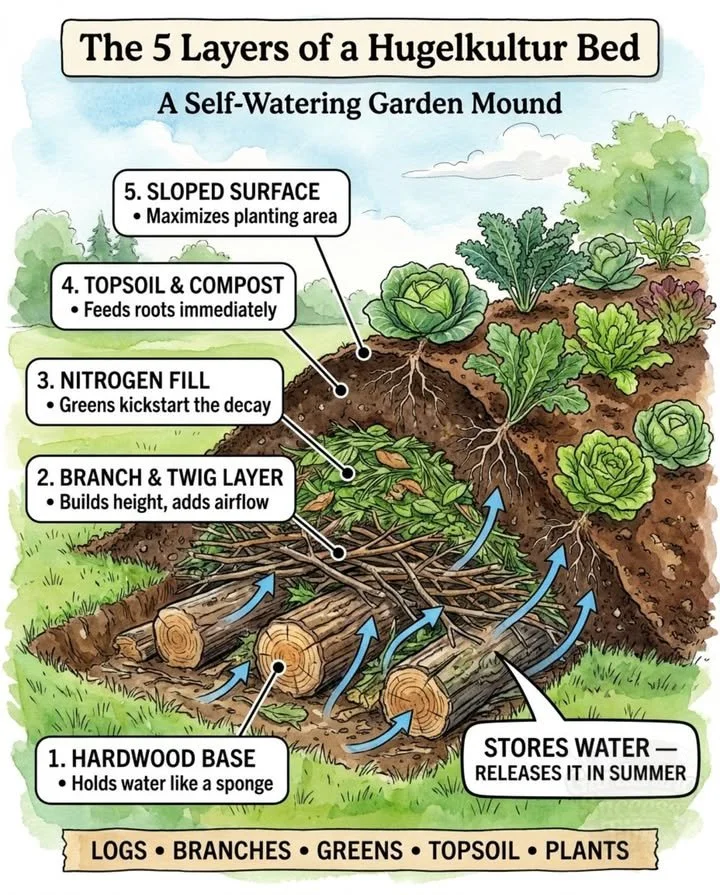
A hugelkultur bed is essentially a layered mound built over a core of rotting logs and branches. As these materials decompose, they absorb moisture from spring rains and gradually release it during the heat of summer. This natural process not only retains water but also acts as a slow-release fertilizer, feeding the soil’s biology continually. By building a hugelkultur bed, gardeners create a self-sustaining system that improves with time, unlike traditional flat boxes filled with soil. You may also find Biscoff Cookie Butter Cinnamon useful.
How to Build a Hugelkultur Bed
If you’re eager to get started with a hugelkultur bed, follow these simple steps: You may also find Caramelized Onion Tomato Risotto useful.
Prepare the Site: Dig a shallow trench in the desired location, about a spade’s depth. Set the topsoil aside for later use.
Create the Base: Lay down large, decaying hardwood logs as a foundation. It is essential to avoid cedar and black walnut, as they contain compounds that inhibit plant growth. Good choices include oak, maple, birch, and fruit-tree wood.
Layering Material: Stack medium branches, twigs, and leaf litter over the logs to create height and fill any gaps. To enhance soil fertility and microbial activity, you can pack nitrogen-rich materials, such as grass clippings, aged manure, or kitchen scraps, into the remaining crevices. This step is crucial as it powers the decomposition process that enables the hugelkultur system to thrive.
Finish with Soil: Pile the reserved topsoil and compost over the entire structure until no wood is visible. The appropriate shape for the mound provides more planting surface area compared to standard raised beds.
Planting: You can plant directly into both the top and sides of the mound. A variety of plants like vegetables, herbs, and flowers can thrive here. Note that the sides drain more quickly; hence, it’s best to place drought-tolerant plants on the slopes, while placing heavy drinkers at the mound’s peak.
What to Expect Over Time
As time passes, the hugelkultur bed will undergo noticeable changes:
- Height Reduction: Over the first two years, expect the mound to lose height as the wood decomposes. Top-dressing with compost each spring will help maintain soil volume and fertility.
- Nitrogen Dynamics: During the first growing season, you may need to provide supplemental nitrogen due to the decomposing wood temporarily tying up nutrients. However, by the second year, this dynamic will reverse, allowing the system to release more nutrients than it uses.
- Moisture Retention: By the third year, the buried wood will have transformed into a moisture-retaining sponge, providing the sustainable hydration that standard beds often lack.
In conclusion, a hugelkultur bed represents a thoughtful way of creating a sustainable garden. Rather than merely filling a raised bed with soil, you’re virtually constructing your own forest floor, ensuring a thriving ecosystem for years to come.
Conclusion
By exploring innovative gardening methods like hugelkultur, you can enjoy a lush and productive garden with less effort. If you’re interested in more gardening tips or delightful recipes, visit this link for air fryer recipes and indulge in Biscoff banana pudding for a sweet treat inspired by nature! For additional storytelling or inspiration, check out the nosleep subreddit or visit The Poet’s Corner for poetic insights.