The Art of Companion Planting in Your Garden
Before you map out your garden beds, consider the "roommates" you’re putting together. Plants are more than just neighbors; they are chemical allies that can boost each other’s growth. Some plants fix nitrogen in the soil, while others can act as natural pest repellents. A successful harvest doesn’t require a complicated spreadsheet; understanding the hierarchy of the "guild" can lead you to a thriving garden. For those seeking more gardening wisdom, here are some ideas that you might find helpful: explore refreshing flavors for summer harvests.
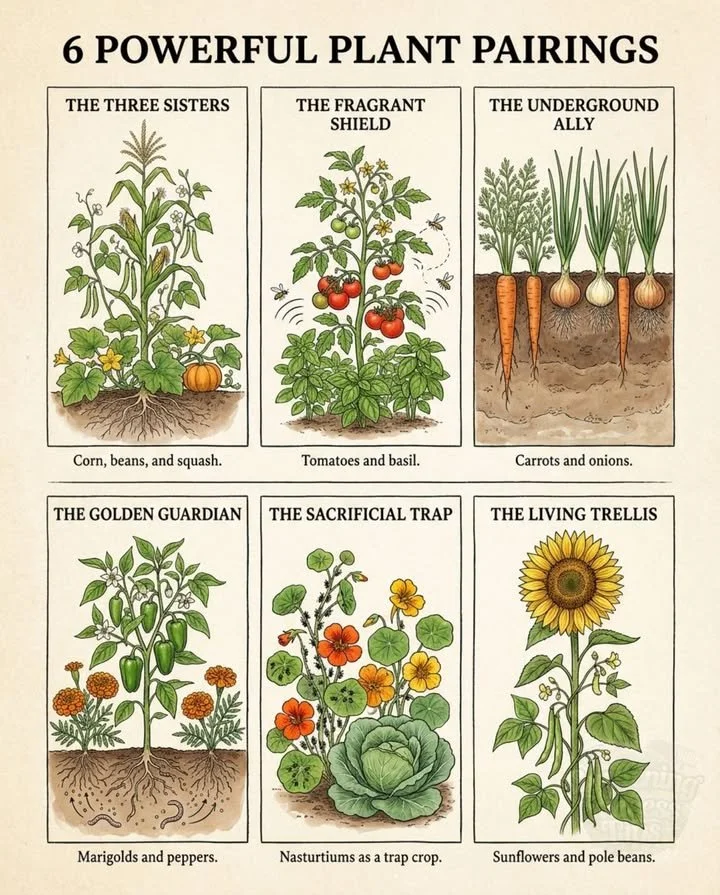
The Three Sisters
A classic example of companion planting is known as the "Three Sisters." This technique involves planting corn, pole beans, and squash together. The corn plays a dual role as a natural trellis for the beans, while the beans enrich the soil with nitrogen, essential for sustaining the corn’s growth. Meanwhile, the squash’s large leaves act as a "living mulch," which keeps the soil cool and helps suppress weeds. This combination not only enhances growth but also creates a self-sustaining ecosystem in a single mound. Such synergistic planting can significantly reduce the need for chemical interventions. You may also find Chinese Beef And Broccoli Takeout Style useful.
The Fragrant Shield
Another effective pairing is Basil and Tomatoes. Basil is known to improve the flavor of tomatoes, but its true strength lies in its ability to confuse pests like hornworms and whiteflies with its fragrant aroma. Additionally, both plants have similar water and light requirements, making this duo an excellent low-maintenance option for any gardener looking to keep their plot flourishing. Interested in experimenting with sweet treats that can complement your gardening efforts? You may want to try this delightful bread pudding recipe.
The Trap Crop
If you’re dealing with aphids, consider using Nasturtiums as trap crops near your kale or cabbage. These vibrant flowers are known to attract aphids, diverting them away from your main crops. By the time the nasturtiums are covered in pests, your main vegetables will have developed enough strength to resist infestation. If you notice an overwhelming aphid presence on the nasturtiums, simply remove the sacrificial plants to protect your greens. You may also find Frosted Coffee Brownies Your useful.
Emulating Nature
Creating a healthy garden mirrors a forest rather than a factory setting. Monoculture, which is the practice of planting only one type of crop, can invite pests and diseases. By diversifying plant heights, scents, and root depths, you can create a complex and confusing landscape for pests while enriching the soil for your crops. There’s no need for chemicals—nature’s best friends will help you cultivate an impressive harvest. For dessert enthusiasts, these butterscotch budinos make for a delightful treat after a hard day’s work in the garden.
Conclusion
Embracing companion planting can transform your gardening experience and yield fruitful results. If you’re interested in exploring further, you can check out the Guardian’s top 10 book lists to deepen your knowledge, or delve into the unique perspectives offered in A Weekend with Terence McKenna. With the right pairing and techniques, you can thrive alongside your plants, enjoying the bounties that nature provides.