When it comes to gardening, bad soil often receives all the blame. Whether it’s rocky, clay-filled, compacted, or contaminated, many gardeners find themselves at a loss. However, there’s a creative solution that skips traditional soil altogether—using straw bales. This method not only circumvents poor soil conditions but also allows you to grow a variety of crops right on top. For a delicious treat after your gardening efforts, consider making banana bread with your harvest.
Setting Up Your Straw Bale Garden
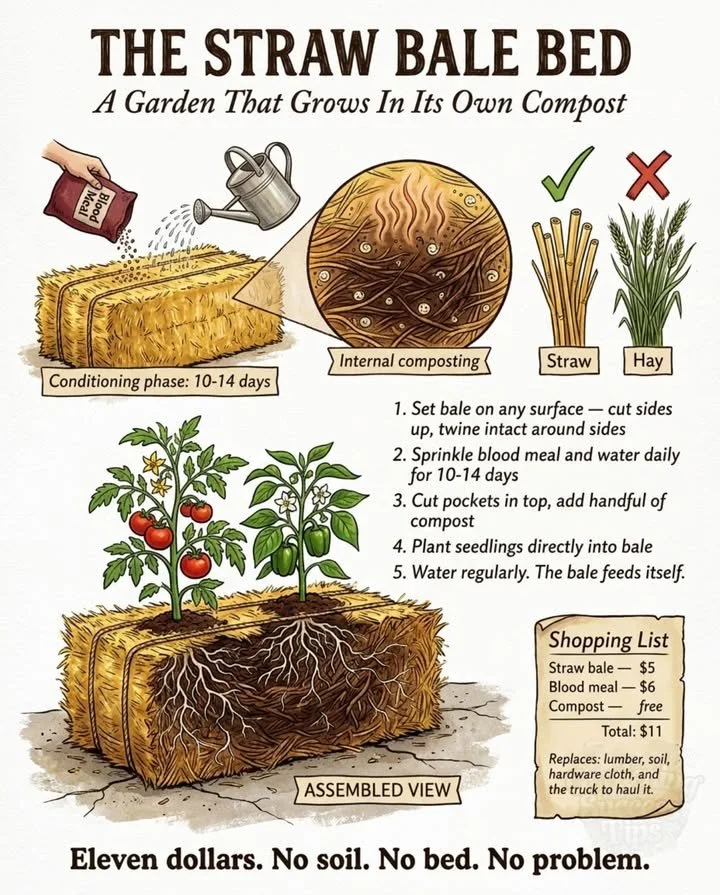
To create a straw bale garden, start by placing the bale cut-side up—a crucial detail that allows water to penetrate effectively. For two weeks, condition the bale using a nitrogen source like blood meal, while watering it daily. Throughout this time, as the bale decomposes from within, it creates an ideal warm environment for plants to thrive. You may also find Butterfinger Balls For Everyone useful.
Once the bale has warmed up and feels soft to the touch, you’re ready to plant. You can dig holes into the top, add a bit of compost, and directly transplant your seedlings. This technique helps roots navigate through the decomposing straw, establishing a solid foundation. You may also find Cheesecake Factory Italian Lemon Cream Cake 2 useful.
What to Grow in a Straw Bale
Certain plants flourish in a straw bale garden. For example, tomatoes and peppers benefit immensely from the warmth of the decomposing straw, thriving with one plant per bale for tomatoes and two for peppers. It’s important to stake or cage these plants during planting since the bale won’t hold support later on. You may also find Crispy Amish Onion Fritters Delight useful.
Additionally, squash and cucumbers can be planted on top, allowing their vines to cascade down the sides. The straw’s moisture retention facilitates fruit production even in soaring summer temperatures. Herbs such as basil, parsley, and cilantro also make excellent candidates for filling pockets along the top of the bale. Meanwhile, strawberries can be tucked into slits cut along the sides, taking full advantage of vertical space.
For those looking to ensure a continuous harvest, consider planting lettuce and other greens, which have shallow roots and appreciate consistent moisture. To keep supplies fresh, sow new rounds every few weeks.
However, it’s best to avoid root crops like carrots and beets, as the loose straw doesn’t provide the necessary resistance for these plants to develop properly.
Maintenance for a Successful Harvest
Maintaining your straw bale garden is fairly straightforward. As the summer progresses and your crops grow, ensure that you monitor the moisture levels in your bale. Given its superior moisture retention, you might find that your watering needs are less frequent than with traditional soil gardening. This method not only maximizes yield but also minimizes labor.
At the end of the growing season, as your crops flourish, the straw bale will collapse into compost, which you can spread back into your garden beds to enrich the soil for the following year. When planning for future crops, consider trying out this delightful recipe for Biscoff cookie butter cinnamon to enjoy during the harvest season.
Conclusion
Gardeners looking for innovative methods to work with less-than-ideal soil conditions can greatly benefit from straw bale gardening. This unique approach to growing not only supports various crops but also contributes to soil health over time. For additional insights on improving your gardening techniques, you might find inspiration in discussions about soil challenges on Reddit or explore tips for growing tastier and more nutritious food. Embrace this simple yet effective method and watch your gardening efforts flourish!