Growing Vegetables in Containers: Successful Groupings
Container gardening is a fantastic way to enjoy fresh vegetables even in limited spaces. When it comes to growing vegetables in containers, the success often hinges not just on the quality of your soil or the frequency of watering, but on how you group your plants. Properly grouping vegetables with varying root depths can ensure that each plant gets the nutrients it needs. For instance, consider adding a splash of flavor to your meals with some irresistible Greek potatoes on the side while you garden.
Nine Container Trio Groupings
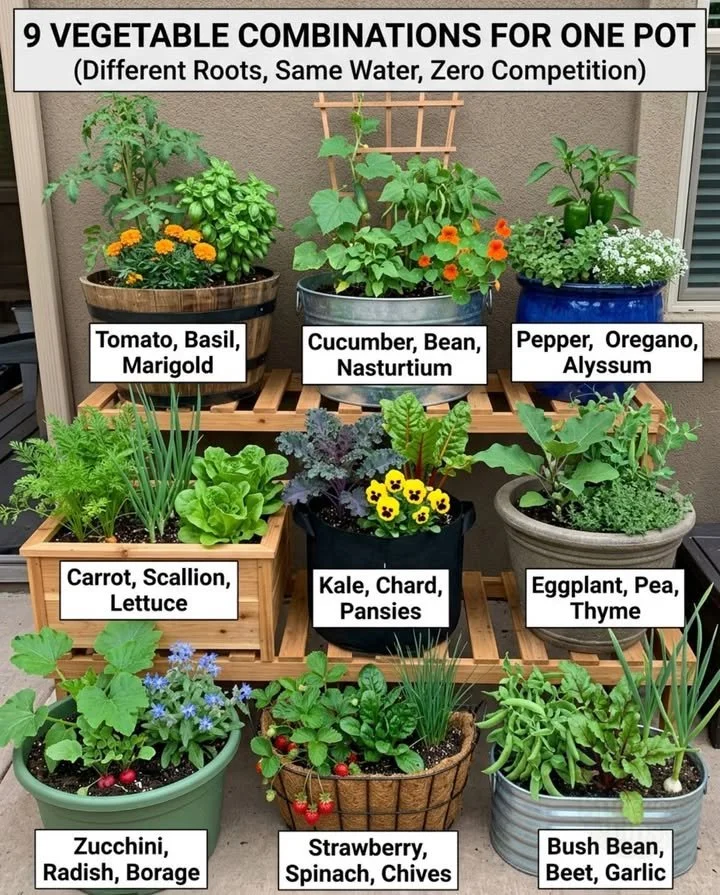
Tomato, Basil, Marigold: This trio is a classic in container gardening. The tomato roots deep into the soil, the basil spreads shallowly, and the marigold helps deter pests. Ensure you use a deep container that accommodates the tomato’s extensive root system. You may also find Coffin Sandwiches useful.
Cucumber, Bush Bean, Nasturtium: By combining these three, you create a beneficial environment. The cucumber can climb a small trellis attached to the pot, the bush bean fixes nitrogen into the soil for the cucumber, and nasturtium draws aphids away. A wide container works perfectly for this combination. You may also find Festive Fruit Salad With Honey Lime Dressing useful.
Pepper, Oregano, Alyssum: This group thrives in full sun and warmth. The aromatic foliage of oregano helps confuse pests regarding pepper, while alyssum attracts hoverflies that eat aphids. A pot with good drainage is essential, as peppers do not fare well in overly wet conditions. You may also find Sirloin Steak Sandwich With Balsamic Glaze useful.
Carrot, Scallion, Lettuce: This is a wonderful mix of deep, medium, and shallow root vegetables. Carrots grow deep, scallions fill the mid-zone, and lettuce spreads across the surface, maximizing the use of soil layers. A deep rectangular planter is ideal for the carrots.
Kale, Swiss Chard, Pansy: All three love nitrogen and consistent moisture. Using fabric grow bags is a great option, as the breathable material prevents waterlogging, which these leafy crops may be sensitive to.
Strawberry, Spinach, Chives: As all these plants are shallow-rooted, a hanging basket can work well. Chives not only contribute visually but may also deter aphids attacking strawberries.
Eggplant, Thyme, Bush Pea: This combination is great for maximizing space. The eggplant needs height, the thyme covers the soil, and the bush pea provides some nitrogen while climbing a small support. A large pot gives the eggplant roots enough room to sprawl.
Zucchini, Radish, Borage: Here, the zucchini does the heavy lifting in terms of size, while the radishes can be harvested before the zucchini takes over. Borage flowers invite pollinators essential for zucchini’s fruit set, making a wide container suitable for this group.
Bush Bean, Beet, Garlic: In this grouping, the bush bean shades the soil for the beet that roots deeply, with garlic filling the gaps and deterring insects with its strong scent. A deep trough is optimal to allow the beets room to flourish.
The Principles of Plant Grouping
The key to these successful groupings is to first consider the root depths of your plants—deep, medium, and shallow. Following this, assess their water needs. If one prefers drier conditions while another likes to stay moist, they shouldn’t be potted together, no matter how appealing their combination may seem.
With these nine groupings, you can efficiently utilize your container space while ensuring that each plant gets the proper nutrients it requires. And as you enjoy watching your garden flourish, you might find yourself craving a nice meal of seasoned grilled chicken wings to complement the fresh produce.
Conclusion
Container gardening can be an enriching and rewarding experience, especially when you understand how to group your plants effectively. If you’re interested in learning more about various gardening challenges, you can explore common issues like the 10 onion growing problems and how to prevent them. Additionally, many gardeners share their experiences, such as the fascinating expectations versus reality of growing sunflowers, which can inspire you in your gardening journey.