Understanding the Signs of Your Harvested Vegetables
When you harvest your vegetables, those unusual shapes and marks aren’t random; they are a story of the plant’s growth conditions. Every split, twist, and scar signifies a specific environmental impact that affected the plant’s development. Instead of discarding them, take a moment to learn from these signals, as they can guide you to improve your gardening techniques for future harvests. For a delightful treat amidst your gardening journey, consider trying butterfinger balls that can be a rewarding snack after a day of hard work.
What Shapes Reveal About Growing Conditions
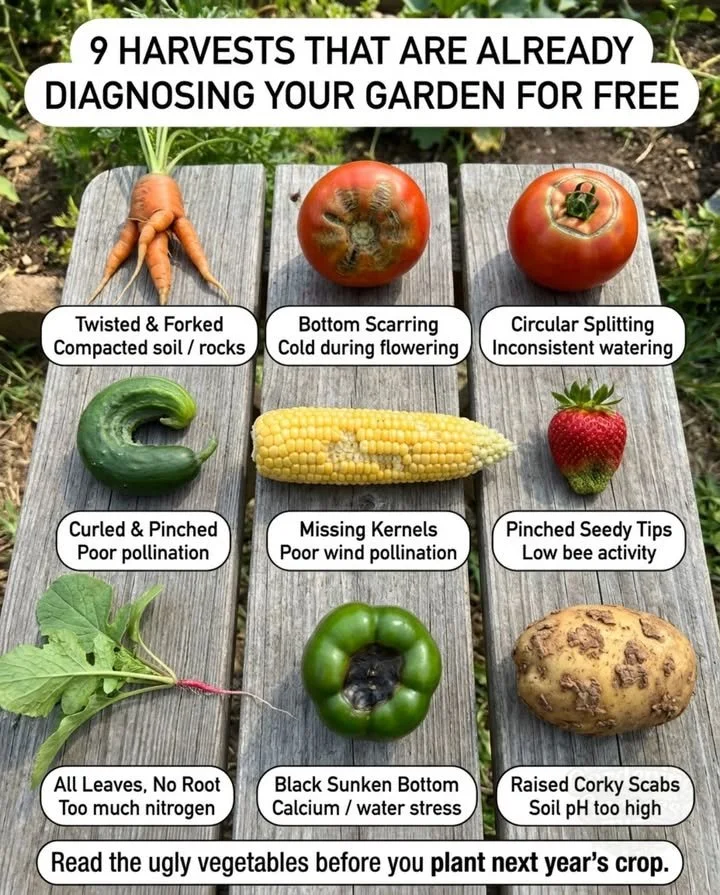
Twisted Carrots: A carrot with forking or twisted legs indicates that it encountered obstacles, such as rocks or compacted soil. To prevent this, make sure to sift your garden beds deeper before planting your root vegetables. This proactive measure can lead to prettier and more uniform roots. You may also find Biscoff Cookie Butter Cinnamon useful.
Scary Tomatoes: If you notice deep corky scars on the bottom of your tomatoes, this is often the result of a cold snap during the flowering stage, which can cause cosmetic issues known as catfacing. Thankfully, the fruit is still edible, though you may wish to learn more about growing healthy tomatoes to minimize such scars in the future. You may also find Crispy Grilled Shrimp Lemon Butter Sauce useful.
Splitting Tomatoes: A tomato that has split in a ring around the top likely suffered from inconsistent watering, particularly after dry spells. To mitigate this, consider mulching heavily, as it helps retain soil moisture and leads to steadier growth.
Curled Cucumbers: A cucumber that is curled into a C-shape or pinched at one end points to poor pollination. This can stem from a lack of pollinators like bees during blooming periods. To encourage more visits from these critical insects, plant native flowers alongside your vegetables.
Inconsistent Corn Kernels: If your corn has patches of missing kernels, this could mean that wind pollination did not reach those areas. Planting corn in tight blocks rather than long rows can enhance pollination success.
Common Issues and Solutions
If you encounter strawberries with hard, seedy tips, it suggests that each seed didn’t get the individual pollination needed. Increasing the number of pollinator-friendly flowers nearby can greatly improve fruit quality.
An all-leafy radish with no bulb is a sign of too much nitrogen in the soil. Redirect your fertilizer choices when growing root crops to ensure they have the necessary balance.
A pepper exhibiting a sunken, dark spot on its bottom indicates blossom end rot, typically caused by erratic watering patterns rather than calcium deficiency. Ensuring steady moisture can help mitigate this issue.
Consistency is Key
Many of these growth irregularities trace back to consistent watering levels. Fluctuations between dry spells and flood conditions can exacerbate problems such as splits and blossom end rot. Implementing a sturdy mulching strategy can be your best defense against these common vegetable issues, allowing for a healthier garden.
The imperfections in your harvest aren’t failures; they serve as valuable reports from your garden. By understanding what these signs indicate, you can craft a plan for a better harvest next season.
Conclusion
In conclusion, recognizing the signs that your harvested vegetables display can be extremely beneficial. This knowledge not only helps you improve your gardening skills but also enhances your connection to the land. For additional insights into patient experiences in gardening, you can explore Patient Profiling: Are You a Victim? – Pamela Wible MD. Furthermore, seeking expert advice from local experts can also contribute significantly to your gardening success, so consider checking out Ask a Master Gardener for more resources and support.