Guide to Plant Propagation: Grow Your Garden for Free
One healthy stem, one pot of damp mix, and a few weeks—that’s the simplicity of propagation. Late spring is the ideal time to propagate plants, as new shoots are tender and brimming with growth energy, allowing them to root quickly. By utilizing the plants you already grow, you can create an entire garden full of fresh herbs and flowers without spending a dime. You may also find Irresistible Greek Potatoes With Lemon And Garlic useful.
Common Herbs and Their Propagation Techniques
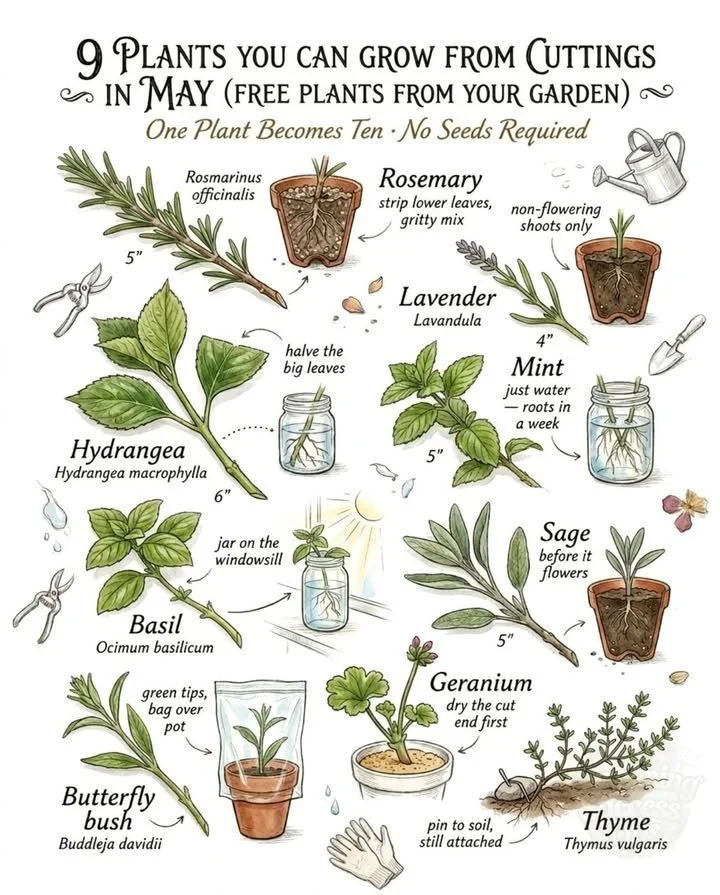
Rosemary is a popular herb that is easy to propagate. To begin, snip soft green tips just below a leaf node, strip the lower leaves, then dip the cuttings in rooting hormone and stick them in gritty mix. One established rosemary plant can yield enough cuttings for a dozen new plants. You may also find Irresistible New England Lobster useful.
If you’re interested in lavender, take short, non-flowering shoots from this season’s soft growth. Strip the lower half of the leaves, lightly wound the base of the stem, and insert it into sandy mix in a warm, bright spot to encourage growth. You may also find Pistachio Mousse With Chocolate useful.
Flowering Plants to Consider
Hydrangea can also be propagated with ease. Cut a stem tip from new growth that flexes but easily snaps when bent, trim the leaves to half their size, and root it in moist compost under a clear cover. This method creates the ideal high-humidity environment for successful rooting. You may also find 5 Cozy Twists Holiday Spiced Cafe Au Lait useful.
Another beautiful option is mint. Simply cut a stem below a node and place it in a glass of water on a sunny windowsill. In just about a week, roots will appear, making mint one of the easiest propagation projects to undertake.
Other Plants Worth Trying
Basil is always a favorite among gardeners. Snip a stem just below a leaf node, remove the lower leaves, and place it in a jar of water. This herb typically roots quickly, allowing for easy transplanting into pots or garden beds.
For hearty and aromatic sage, take cuttings from soft new growth before flower buds form. Just strip the lower leaves, dip the stem in rooting hormone, and insert it into moist perlite or sandy compost for best results.
If you want to experiment with a more woody plant, consider elderberry. Cut pencil-thick softwood tips in late spring when new shoots are green and flexible, then root them in damp compost under a plastic bag to create an ideal environment. By late summer, you’ll have ready-to-plant elderberries.
Geraniums also offer a simple propagation method; snap a stem tip just below a node and let the cut end dry for a few hours. Once dried, insert it into barely moist compost, where it can root without the need for rooting hormone.
Finally, thyme can be propagated by bending a low stem and pressing a section into the soil while still attached. Pin it down with a stone, and roots will form at the buried nodes within a few weeks, making it a practical choice for avid gardeners.
For those interested in maximizing their gardening experience, understanding the type of soil you use can be crucial. Consider reading more about the various types of soil by visiting the different types of compost available.
Conclusion
Embarking on a plant propagation journey can significantly enhance your gardening endeavors. By adopting easy methods for popular plants like herbs and flowering varieties, you can expand your garden inexpensively. For more insights into herb propagation, check out My Herb Propagation Journey: Cuttings for Thyme & Rosemary. Furthermore, for inspiration on sustainable gardening practices, explore this discussion about regrowing green onions in water. Happy gardening!