Enhancing Your Garden with Pollinator-Friendly Plants
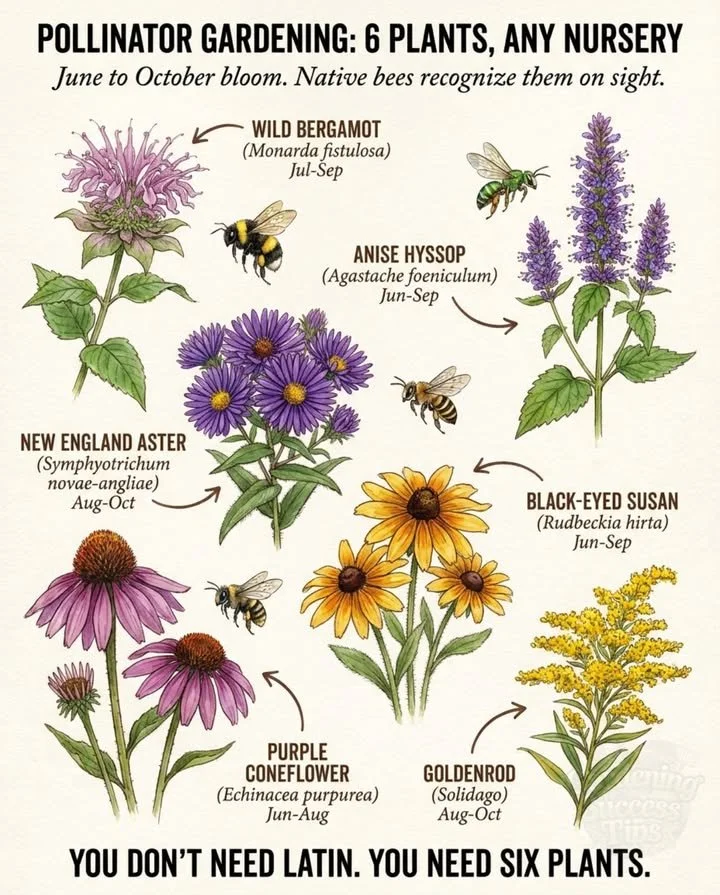
Pollinator gardening might seem daunting, akin to mastering a botany degree. However, it can be simplified by focusing on six native plants that thrive across the eastern and central United States. These include wild bergamot, mountain mint, New England aster, black-eyed Susan, purple coneflower, and goldenrod. Collectively, these plants bloom from June to October, attracting native bees, bumblebees, and butterflies to your garden. For an example of a delicious dish inspired by New England ingredients, consider a lobster recipe that showcases the region’s bounty.
Planting for Pollinator Success
To effectively attract pollinators, you can plant a dedicated strip along the south edge of your vegetable bed. The bergamot, for instance, will entice these beneficial visitors, who will then also help pollinate your tomatoes, squash, and cucumbers that are in close proximity. This approach maximizes your garden’s productivity and fosters a robust ecosystem. You may also find Cajun Mac Cheese Andouille useful.
Regional Plant Recommendations
Creating a pollinator garden is adaptable to various regions, which means replacing plants based on your locality while keeping the same concept. In the West Coast, consider using California buckwheat and narrow-leaf milkweed. For those in the Deep South or Gulf regions, plants like beebalm and Joe-Pye weed are great choices. Likewise, in arid Southwest regions, explore options like desert marigold and globe mallow. For a comprehensive guide on specifically tailored plants, local extensions often provide customized lists. You may also find Coconut Dome With Chocolate useful.
Steps to Create Your Pollinator Strip
Location and Size: Select a 2-3 feet wide strip along the southern edge of a vegetable bed that receives at least 6 hours of direct sunlight. You may also find Coffin Sandwiches useful.
Selecting Plants: If planting a 10-foot strip, purchase two of each species, totaling 12 plants. It’s best to opt for plugs or quart pots in the first year rather than seeds.
Soil Preparation: Loosen the soil to a depth of 8 inches, incorporating an inch of compost. Avoid using fertilizer, as native plants flourish in less rich soil.
Group Planting: Arrange your plants in clumps of two for better foraging efficiency by pollinators. Space each clump 18-24 inches apart.
Watering: Water deeply at the time of planting, followed by about an inch of water weekly for four weeks.
Mulching: Apply 2 inches of shredded leaves or wood chips as mulch, ensuring to keep it away from the plant crowns.
Winter Care: Allow stems to remain standing through winter to provide nesting spots for native bees and trim back in late spring.
After planting these six species, your garden will gradually attract pollinators, with roots establishing in the first year, full blooms in the second, and increasing activity in the third.
Reaping the Benefits
Establishing a pollinator garden not only beautifies your space but also enhances the local ecosystem. By strategically planting these native species, you contribute significantly to wildlife support and crop productivity. For an interesting take on innovative recipes to enjoy from your garden’s produce, check out apple fritter waffle donuts.
Conclusion
In conclusion, creating a pollinator-friendly garden can be both rewarding and straightforward. By focusing on the right native plants and caring for them correctly, you’ll see an increase in the local pollinator population. If you’re interested in learning about more native plant options, your favorite showy natives can offer great inspiration. Additionally, understanding effective gardening practices can enhance your efforts; therefore, consider reading about how to manage plants sustainably.