Twelve Fast-Flowering Varieties to Support Pollinators
Creating a garden that contributes to the health of pollinators can be incredibly rewarding. Certain flowers establish quickly in warm soil, providing sustenance to butterflies, bees, and other beneficial insects from the first bloom through the fall. In this article, we will explore twelve such flowers, each with unique characteristics that make them essential for a thriving pollinator garden. Additionally, if you’re interested in enhancing your gardening skills, you might want to check out some tips on how to grow tropical houseplants from fruit pits in water.
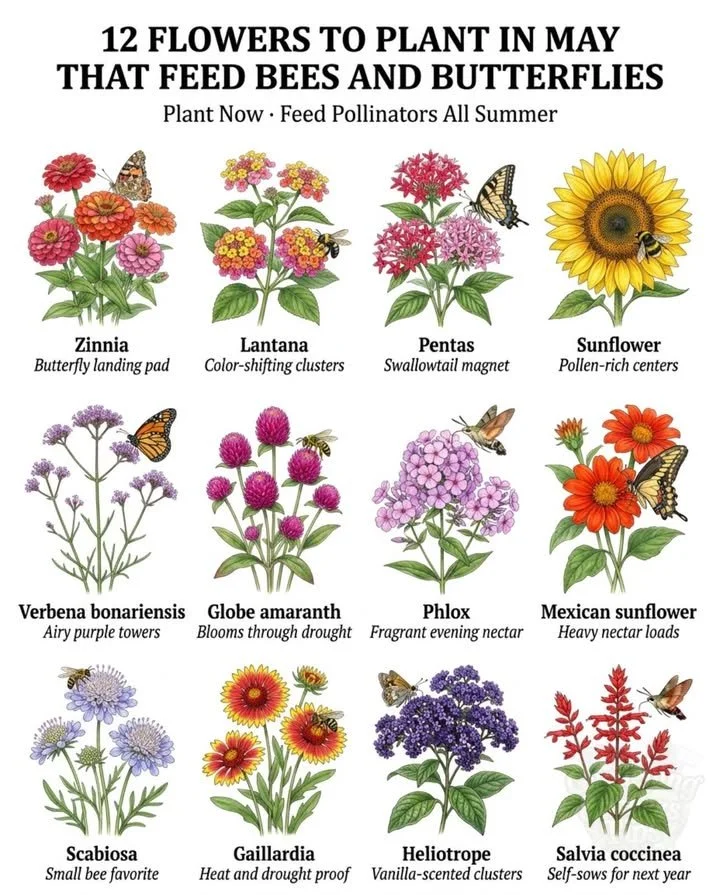
1. Zinnia
Zinnias are a delightful choice for summer gardens. They direct sow easily after the last frost, and their wide flat blooms provide a stable landing pad for butterflies. By incorporating zinnias into your flower beds, you can enjoy a colorful display that consistently attracts pollinators throughout the warmer months. You may also find Grow Tropical Houseplants From Fruit Pits In Water useful.
2. Lantana
Another wonderful addition is lantana, which should be transplanted after frost. Its tubular clusters shift color as they age, drawing in butterflies and long-tongued bees. This adaptability makes lantana both a beautiful and effective plant for feeding pollinators. You may also find Open Planting Window Cool Season Vegetables Germinate Cool Soil useful.
3. Pentas
Pentas thrive in full sun, making them ideal for both beds and large pots. They are a top nectar source for swallowtails, particularly in warmer regions. If you want to attract these majestic butterflies, consider adding pentas to your garden layout. You may also find Propagate Hydrangeas From Stem Cutting useful.
4. Sunflower
Sunflowers are not only striking in appearance but also support a variety of native bees. You can directly sow them into any open ground to achieve a pollen-rich display. Sunflowers exemplify how beauty and functionality can coexist in your garden.
5. Verbena Bonariensis
This flower features tall, airy purple clusters that attract painted ladies and skippers, all while minimizing space crowding. Verbena bonariensis is perfect for creating layered garden designs that support various pollinators without overwhelming your planting scheme.
6. Globe Amaranth
Globe amaranth is resilient, holding nectar through drought and heat when other flowers may wilt. This makes it a reliable choice for gardeners aiming to maintain pollinator activity during challenging weather conditions.
7. Tall Garden Phlox
With its dense, fragrant heads, tall garden phlox draws hawk moths and swallowtails in the evening light. Including this flower can help extend the pollinator visitation hours to your garden.
8. Mexican Sunflower (Tithonia)
Mexican sunflowers showcase large orange blooms that produce heavy nectar loads, making them a favorite among monarchs and bumblebees. To create a diverse garden, consider planting these alongside other varieties.
9. Scabiosa
Scabiosa features domed blooms with protruding stamens, making it easier for small native bees to access pollen. This flower can help support a broader range of pollinator species visiting your garden.
10. Gaillardia
Known for its heat and drought tolerance, gaillardia feeds bees through the late summer. Its resilient nature ensures that your garden remains a haven for pollinators even during the hottest months of the year.
11. Heliotrope
Delivering a pleasant vanilla scent, heliotrope produces purple clusters that draw butterflies from early summer through the first frost. Incorporating this variety can enhance your garden’s fragrance while supporting pollinators.
12. Salvia Coccinea
Salvia coccinea features tubular red flowers that are a magnet for hummingbirds. This annual plant self-sows for the following year, ensuring continuity of food sources for pollinators.
The secret to creating a garden that feeds pollinators longest lies in planting for overlap, rather than focusing on a peak blooming period. For those who want to dive deeper into sustainable gardening practices, exploring the nine edible weeds that can be beneficial might be worthwhile.
Conclusion
Selecting flowers that quickly establish and provide long-lasting support for pollinators is crucial for any garden. If you’re looking for more information on how to effectively cultivate your garden and support local pollinator populations, you might find this guide on creating an edible or medicinal garden helpful. Additionally, check out this fun gardening poll for inspiration!