
Discovering Edible Weeds: Culinary Hidden Gems
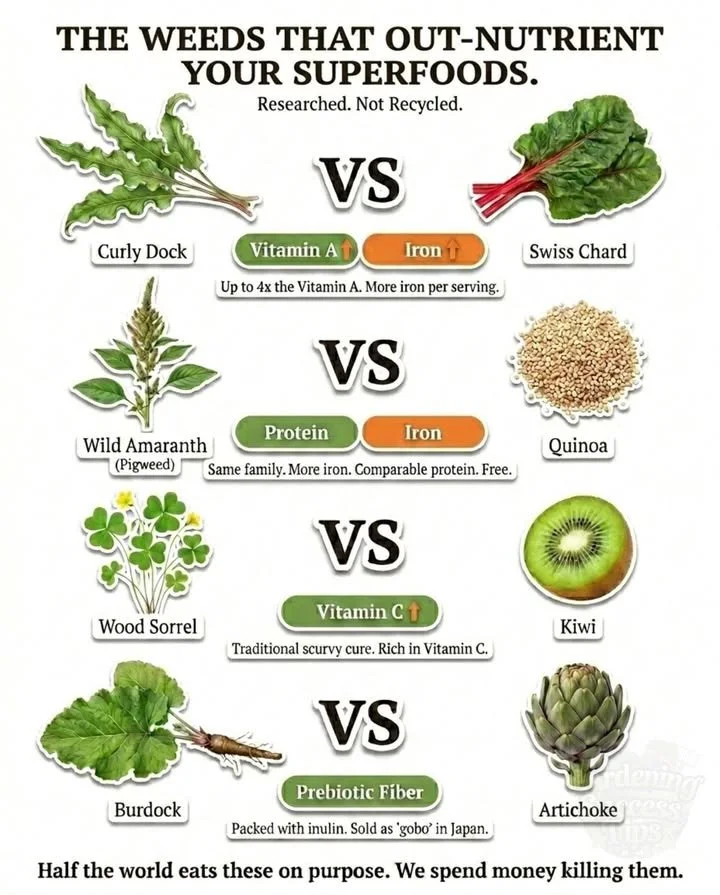
Half the world cooks with these on purpose, yet many of us mow them over without a second glance. Edible weeds like curly dock, wild amaranth, wood sorrel, and burdock offer unique flavors and nutritional benefits that are often overlooked. Incorporating these greens into our diets can not only enhance meals but also promote sustainable foraging practices. You may also find Bang Bang Salmon Bites useful.
Curly dock, known for its tall, wavy leaves, sports young spring leaves that have a sharp, lemony bite, making it a fantastic substitute for sorrel in various recipes. When using curly dock, it’s crucial to harvest the young leaves before the flower stalk appears. Cooking them in one change of water can effectively mellow out their tartness. For a delightful addition to your dinner table, you might want to try this asparagus risotto, which pairs well with many fresh greens.
Another notable edible weed is wild amaranth, often labeled as pigweed. While it is treated like an enemy in many gardens, this plant is the ancestor of quinoa and offers leaves that are high in protein and vitamin C. Cultures from India to Greece still value wild amaranth as a staple food. Interestingly, in the U.S., we spray it with herbicide while paying a premium for its domesticated varieties. For those interested in incorporating more nutritious options into their meals, consider the versatility of a bacon-wrapped date appetizer, which can make for a great companion dish.
Wood sorrel, which resembles clover with its heart-shaped leaves, has a fresh, citrus-like flavor. It can be used as a finishing garnish, added to salads, or steeped into a refreshing cold tea. You’ll often find wood sorrel thriving in shaded corners of the garden or even peeking through paving stones. If you’re looking for ways to utilize these fresh greens, consider a baked salmon recipe that allows for a delightful balance of flavors.
Burdock is another edible plant that grows in disturbed areas and vacant lots. Its root, prized in Japanese cuisine as gobo, is often sold at premium prices in specialty markets. When foraging for burdock, it’s best to dig the root in the fall of its first year, ensuring it’s scrupulously cleaned and thinly sliced for sautéing like a root vegetable. If you’re in search of creative breakfast ideas, a bacon weave breakfast sandwich featuring seasonal vegetables could be an excellent way to start the day.
Conclusion
Incorporating these edible weeds into your diet opens up a world of culinary possibilities and reflects a sustainable approach to eating. For more inspiration on foraging and utilizing nature’s bounty, you can explore resources like Lockdown Poems – Ledbury Poetry Festival or engage with community discussions on platforms like r/HFY – Reddit. Happy foraging!