Swapping Invasive Plants for Natives in Your Garden
As gardeners, we often seek to beautify our spaces with flowering plants and shrubs. However, many popular ornamental choices can become invasive, spreading beyond intended areas and disrupting local ecosystems. It’s essential to consider native alternatives that not only fulfill an aesthetic purpose but also promote local biodiversity. By choosing native plants, we can enhance our gardens while contributing positively to the environment. For example, incorporating some delicious home-cooked meals like classic beef stroganoff in your celebrations can be a delightful way to enjoy your garden’s ambiance.
Invasive Plants to Avoid
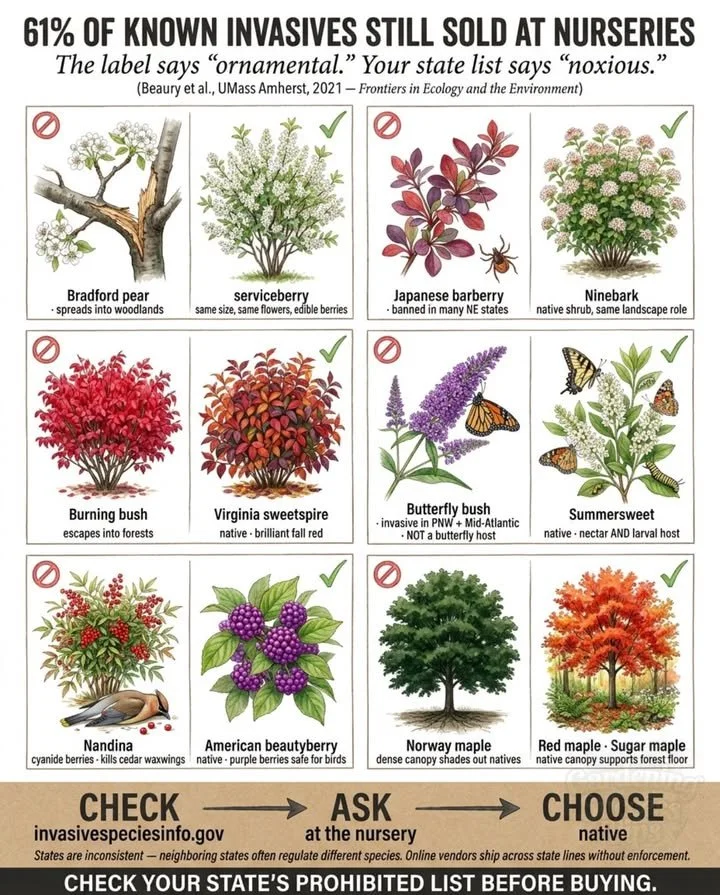
Here is a look at six common invasive plants and their native alternatives that you can use to make your garden a more harmonious part of the local ecosystem: You may also find Coffin Sandwiches useful.
Bradford Pear: Often praised for its spring blossoms, the Bradford pear is notorious for its weak branches that easily break in storms. Instead, consider planting native serviceberry, which offers the same size and stunning white flowers in the spring, plus edible berries that can attract wildlife. You may also find German Goulash For Servings useful.
Japanese Barberry: This plant is not just decorative; it poses a problem by providing a sheltered habitat for ticks. A better option is native ninebark, which provides a similar hedge structure without the added risk to your family’s health. Additionally, the right plants can deter pests from infesting your garden.
Burning Bush: Known for its brilliant red fall foliage, burning bush can crowd out local flora. Instead, you can opt for Virginia sweetspire or highbush blueberry, which offer similar autumn colors along with the added bonus of fruit. You may also find Grandmas Bread Pudding Served useful.
Butterfly Bush: While it is celebrated for attracting adult butterflies, butterfly bush does not support their larvae. Native summersweet, on the other hand, attracts both adult butterflies and larvae, plus it emits a lovely fragrance throughout the summer months.
Nandina: Nandina berries can be harmful to birds that consume them in winter. A safer choice is American beautyberry, which produces stunning purple clusters of berries that are safe for wildlife and serve as food sources for birds.
Norway Maple: This tree can cast a dense shade that prevents native understory plants from thriving. By replacing it with red or sugar maple, you support local ecosystems, as these tree species provide essential habitats for a variety of insect species.
The choices made at your local nursery can greatly affect both your garden and the surrounding environment. Understanding which plants to embrace and which to avoid is critical.
Conclusion
By swapping out invasive plants for native alternatives, gardeners can create beautiful spaces that are also ecologically responsible. If you’re interested in learning more about native plants and their benefits, you might find this insightful discussion on native plant gardening enlightening. Additionally, to explore a wide range of articles that provide further guidance, check out the Choose Natives archives. Embrace the beauty of native plants in your garden, not just for their aesthetic value, but for the diversity they bring to our landscapes.