
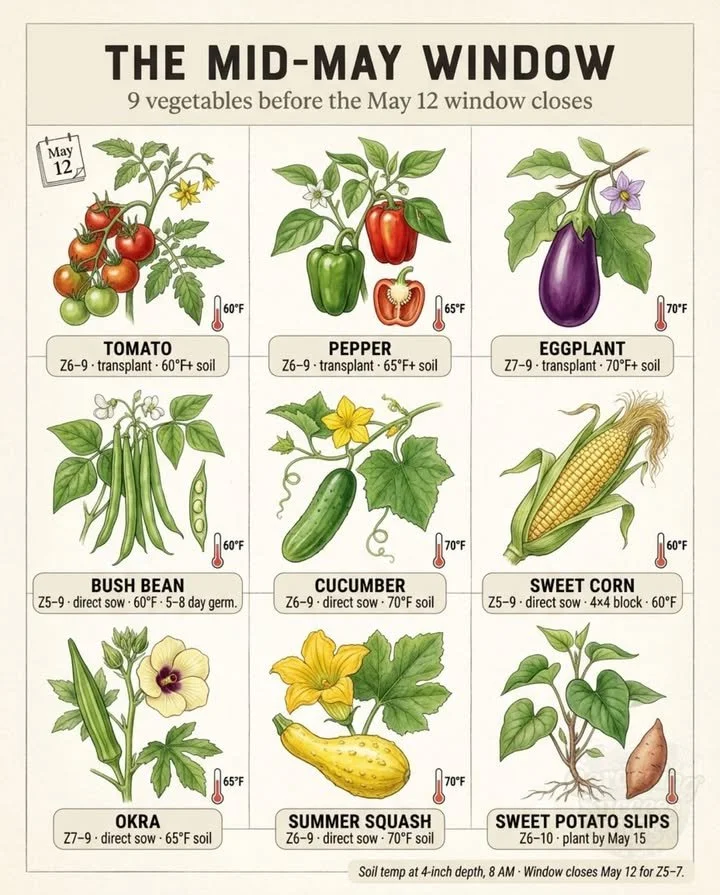
Planting Guide for Spring Crops
This week marks an important planting window that many gardeners have been eagerly anticipating all spring long. It’s crucial to take advantage of this time, especially since some crops can no longer be planted in Zones 5–7 without losing weeks of potential harvest. Additionally, five more crops will close their planting windows by Memorial Day. You may also find Beef Stroganoff Classic Creamy Dinner For Four useful.
Crops for Zones 5–6 (last frost arriving this week)
For gardeners in Zones 5–6, the following crops can be directly sown: You may also find Asparagus Risotto Spring Creamy Quick Weeknight Meal useful.
Bush Bean (Zones 5–9): Begin by direct sowing into soil that’s at least 60°F. You can expect germination in about 5–8 days, and harvest typically occurs in around 50 days. You might also consider enriching your soil with compost to boost these plants’ growth; learn more in this article on different types of compost.
Cucumber (Zones 6–9): Directly sow cucumbers in soil that is around 70°F. They will germinate in about 5–7 days, with fruiting occurring in 55–60 days. You may also find Biscoff Banana Pudding useful.
Sweet Corn (Zones 5–9): For corn, plant directly in 60°F soil within a 4×4-foot block to ensure effective wind pollination, which requires depth on every side for optimal growth. You may also find Biscoff Cookie Butter Cinnamon useful.
Crops for Zones 6–7 (last frost passed)
Now that the last frost has passed for Zones 6–7, you can transplant the following:
Tomato (Zones 6–9): Transplant tomatoes this week, aiming for soil temperatures of at least 60°F overnight, with 65°F or higher being ideal.
Pepper (Zones 6–9): Transplant pepper plants when you consistently see soil temperatures of 65°F or warmer, as cold soil can inhibit fruiting for weeks.
Eggplant (Zones 7–9): Similar to peppers, eggplants should be transplanted only when the soil reaches 70°F or higher for optimum growth.
Okra (Zones 7–9): If you’re in Zone 7, it’s time to direct-sow okra seeds in soil that is at least 65°F. In zones 8 and above, planting has been feasible since late April.
Sweet Potato Slips (Zones 6–10): If you’re in Zone 7, get those sweet potato slips in the ground by mid-May, as they require the full warm season to develop sizable tubers.
Crops for Zones 7–9 (soil already warm)
In Zones 7–9, where the soil is typically warm, consider the following crops:
- Summer Squash (Zones 6–9): These can be direct-sown when the soil temperature hits 70°F, yielding first fruits in about 45–55 days, making them a fantastic option before the July heat peaks.
Remember, if you sow winter squash now, you can anticipate a harvest by September. Additionally, crops like cantaloupe and watermelon, with maturity times of 75–90 days, will finish just in time for Labor Day.
Plant these crops this week, or you may need to wait an additional three weeks for the next reliable planting window, particularly after the cooler temperatures many regions experience at the end of May.
Conclusion
Spring is the perfect time to plant vegetables, and understanding seasonal timing is key to a bountiful harvest. As you work your garden this week, consider checking out discussions on seedling care, such as the importance of hardening off for young plants. For further insights on intensive vegetable production, you can explore this resource which offers extensive information on maximizing your garden’s output. Happy planting!