Quick answer: a spring lawn can hold more than grass. Red clover, henbit, common mallow, and young wild grape leaves are edible plants that can add flowers, tender greens, and wrap-ready leaves to everyday meals when they are correctly identified and harvested from clean, unsprayed areas. Instead of mowing every patch flat, you can learn what is safe, pick small amounts, and turn part of your yard into a seasonal source of free food.
Foraging from your lawn is not about eating random weeds. It is about slowing down, identifying plants carefully, avoiding contaminated places, and using wild greens in practical ways: salads, soups, pestos, teas, wraps, cooked greens, and spring garnishes. Red clover can also support a more pollinator-friendly lawn when allowed to flower, giving bees another reason to visit your yard.
Why Your Lawn May Be a Grocery Store You Keep Mowing
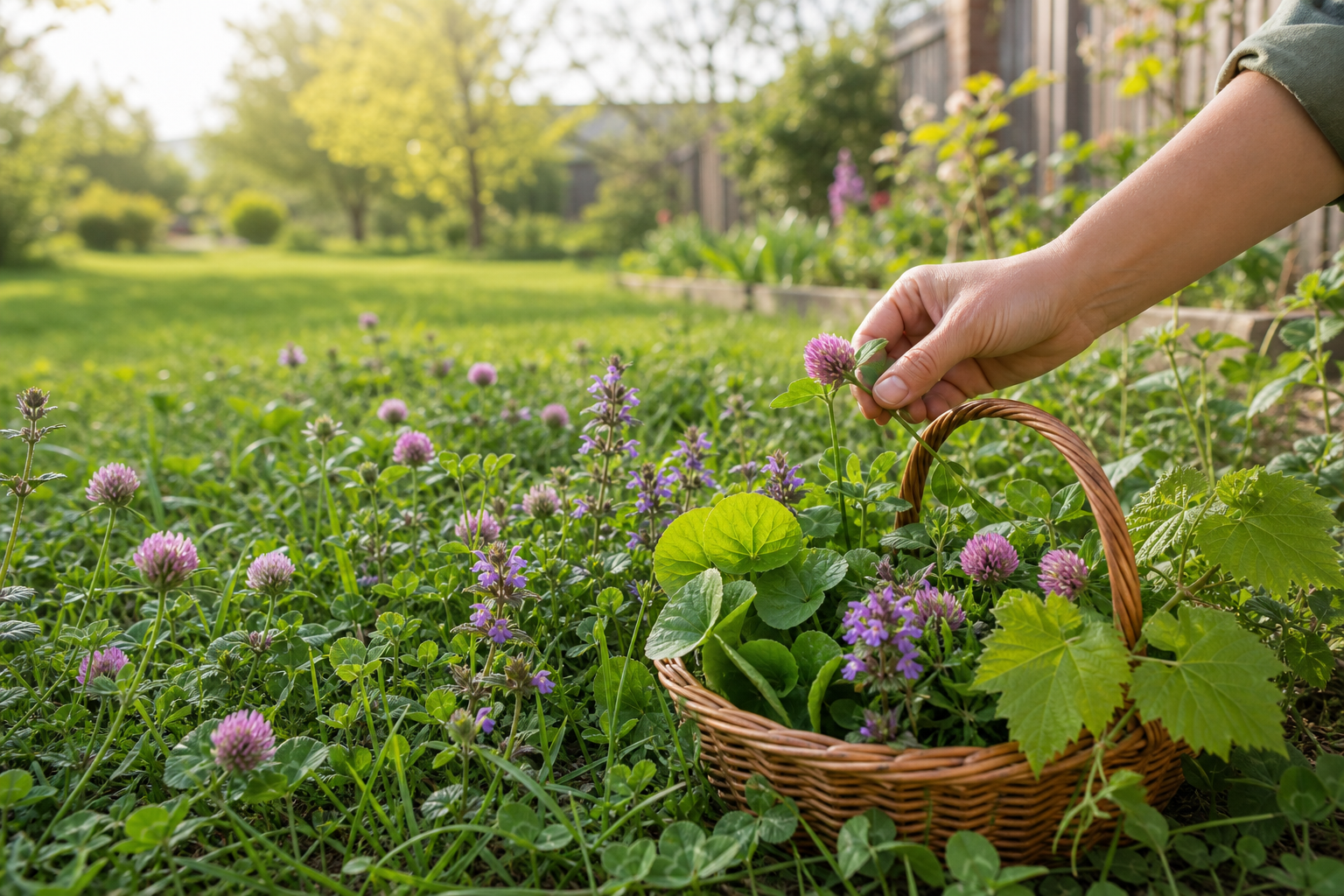
A lawn is usually treated as a surface to maintain: mow it, water it, trim the edges, and remove anything that interrupts the grass. But many plants that appear in lawns are not useless. Some are edible, some feed pollinators, and some can help you understand what your soil is doing. The problem is that most people never get the chance to notice them. The mower arrives first.
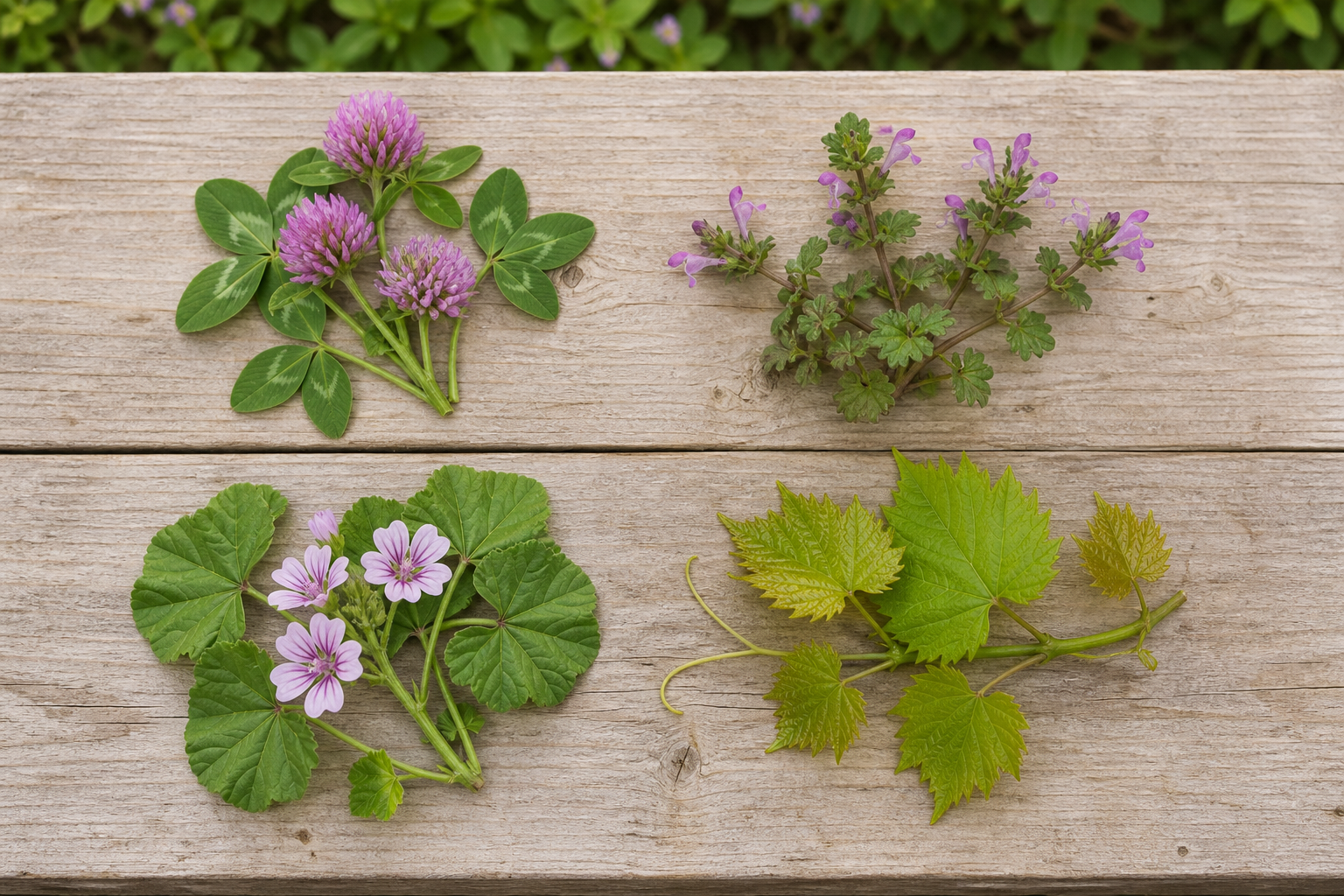
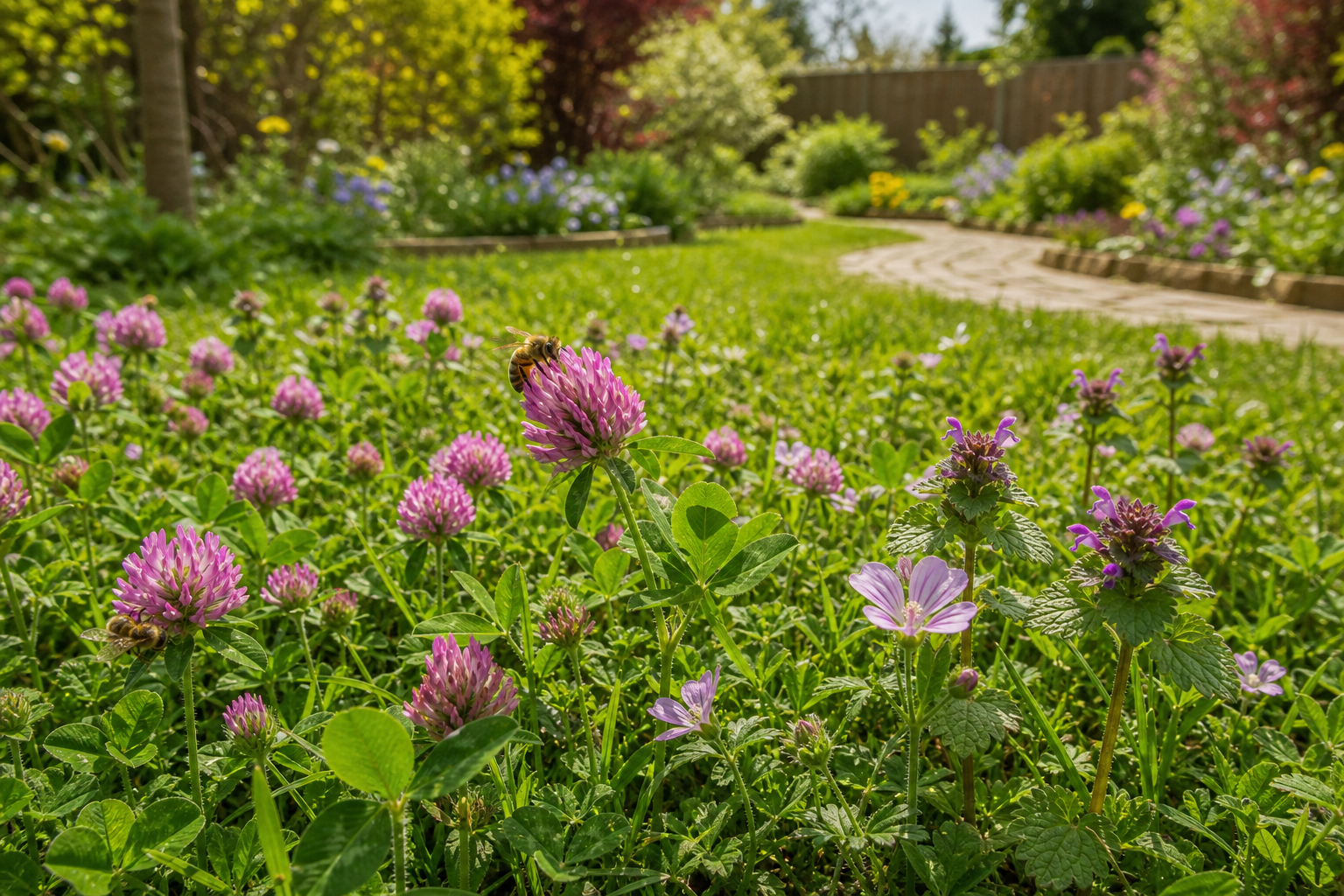
In spring, edible lawn plants are often at their best. Leaves are younger, flowers are fresh, and the flavor is usually milder than it will be later in the season. Red clover produces pink-purple flower heads and trifoliate leaves. Henbit brings small purple flowers and tender mint-family greens. Common mallow offers round leaves and mild, soft texture. Wild grape vines produce young leaves that can be used much like cultivated grape leaves.
The best part is not just that these foods are free. It is that they connect food, lawn care, pollinators, and seasonal cooking in one place. When you recognize what is growing, you can stop treating every volunteer plant as a problem and start deciding which patches deserve a place in your yard.
Foraging Safety: The Rules That Matter Most
Before you eat anything from a lawn, confirm the plant with confidence. Use several reliable references, compare leaves, stems, flowers, growth habit, and season, and learn dangerous look-alikes. A plant app can help you begin, but it should not be the final decision. If you are unsure, do not eat it.
Harvest only from places you know are clean. Avoid lawns treated with herbicides, pesticides, weed-and-feed products, unknown fertilizers, pet waste, road runoff, or construction debris. Public parks, road edges, vacant lots, parking strips, and heavily sprayed yards are poor places to gather food. Even an edible plant can become unsafe when it grows in contaminated soil or chemical residue.
Start with small portions. Wild foods can be strong, and people can react differently. If you are pregnant, nursing, taking blood thinners, managing a hormone-sensitive condition, or dealing with kidney or digestive concerns, be especially cautious and ask a qualified health professional before using wild plants as regular foods or herbal preparations. Food use is not the same as medicinal-dose supplement use.
1. Red Clover: Edible Flowers, Tender Leaves, and Pollinator Value
Red clover, Trifolium pratense, is a short-lived perennial legume with pink to red-purple flower heads and three-part leaves. The leaflets often show pale V-shaped markings. It is sometimes considered a turf weed, but it is also grown as a forage crop and is valued for its flowers, nitrogen-fixing ability, and usefulness to pollinators when allowed to bloom.
For kitchen use, the flowers are the most beginner-friendly part. They can be sprinkled into salads, used as a garnish, steeped lightly for tea, or dried for later. Young leaves can be eaten raw in modest amounts or cooked with other greens, but they are usually better when harvested before the plant becomes tough. The flavor is mild, grassy, and slightly sweet in the blossoms.
Red clover deserves a safety note because it is also sold as an herbal supplement. Eating a few flowers in a salad is different from taking concentrated red clover products. People who use blood-thinning medication, have hormone-sensitive medical concerns, or are pregnant should avoid treating red clover as a medicinal herb without professional guidance.
2. Henbit: A Tender Spring Green With Purple Flowers
Henbit, Lamium amplexicaule, is a winter annual that often shows up in lawns and garden beds in early spring. It is a member of the mint family, with square stems, opposite leaves, scalloped edges, and small pink to purple flowers. The upper leaves wrap close around the stem, which helps separate henbit from some similar plants.
Henbit is commonly foraged as a tender green. The young tops and flowers can be used in small amounts in salads, blended into herb sauces, or added to soups at the end of cooking. Its flavor is mild, green, and slightly earthy. Because it is delicate, harvest it before the stems become tough and before the plant is dusty, dry, or past its prime.
Henbit is often confused with purple deadnettle, another mint-family spring plant. Many foragers use both, but you should still learn the differences. Look closely at leaf shape, how the upper leaves attach to the stem, flower placement, and the square stem. For beginners, identification practice matters more than speed.
3. Common Mallow: Mild Leaves for Salads, Soups, and Soft Greens
Common mallow, Malva neglecta, is a low-growing lawn and garden plant with rounded leaves, shallow lobes, and small pale pink to lavender flowers. It can spread in disturbed soil and thin turf, which is why many homeowners pull or mow it without a second thought.
The leaves, tender stems, and immature seed pods are edible raw or cooked when harvested from clean areas. Young leaves can be added to salads, but many people prefer mallow cooked because it has a soft, slightly thickening texture. That texture can be useful in soups, stews, and simple cooked greens. Think of it as a gentle green that helps add body rather than a sharp salad leaf.
Common mallow is easy to like because it is not especially bitter. Use it with lemon, garlic, olive oil, beans, rice, eggs, or broth. If the leaves are older or dusty, skip them and look for fresher growth.
4. Wild Grape Leaves: The Backyard Wrap Green
Wild grape vines can grow along fences, hedges, woodland edges, and neglected corners. Young grape leaves are useful because they can become natural wraps, much like the cultivated grape leaves used in stuffed grape leaf dishes. The youngest leaves are usually more tender and flexible than older leaves.
Identification is critical. Wild grape vines have tendrils, toothed leaves, raised veins, and woody vines as they mature. Learn the difference between grape and dangerous look-alikes such as Canada moonseed. Do not harvest leaves from vines you cannot identify confidently. If you are new to wild grape, learn with a local expert or a trusted regional guide before eating it.
Once identified, young grape leaves can be blanched and used for wraps, chopped into cooked dishes, or fermented for later use. They pair well with rice, lentils, herbs, lemon, yogurt sauce, and vegetables. Avoid old, tough leaves unless you are using them in a preparation that softens them well.
| Plant | Best Time to Harvest | Parts to Use | Easy Kitchen Idea |
|---|---|---|---|
| Red clover | Spring to early summer while flowers are fresh | Flowers and young leaves | Salad garnish, tea, or lightly cooked greens |
| Henbit | Early spring while tops are tender | Young tops and flowers | Fresh salad herb or soup finisher |
| Common mallow | Spring and early summer before leaves toughen | Leaves, tender stems, immature seed pods | Cooked greens or soup thickener |
| Wild grape | Late spring when leaves are young and flexible | Young leaves and tender vine tips | Blanched wraps or stuffed grape leaves |
How to Use Free Lawn Edibles Without Overcomplicating Dinner
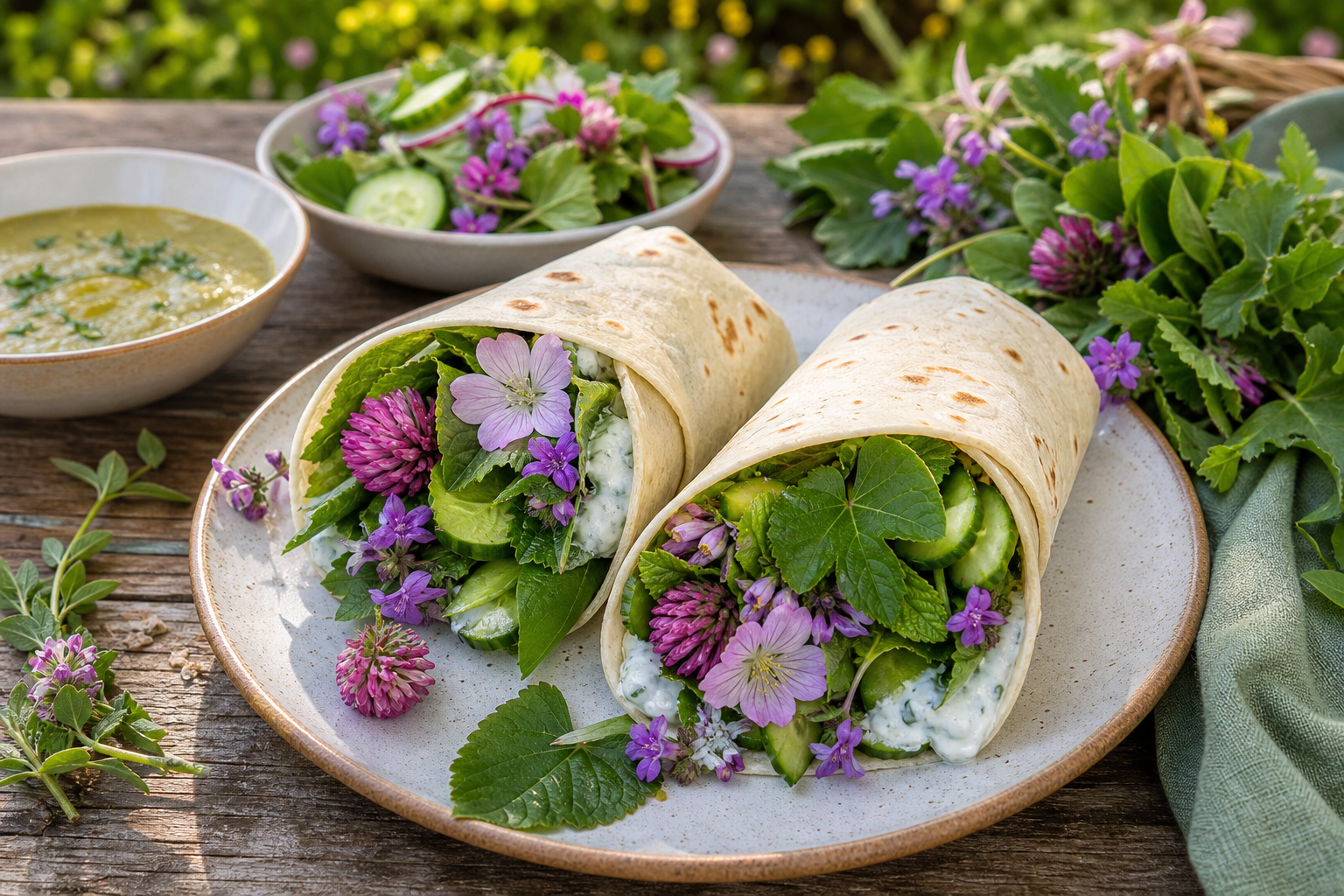
Start small. Add red clover flowers to a green salad. Mix a few henbit tops into a bowl of lettuce. Cook common mallow with garlic and olive oil. Blanch young grape leaves and use them as wraps with rice, herbs, cucumber, and yogurt sauce. The best lawn-to-table meals do not need to feel strange. They should feel like familiar food with a fresh seasonal upgrade.
A simple spring salad can include lettuce, chickweed or henbit, cucumber, radish, red clover blossoms, lemon juice, olive oil, and a pinch of salt. A simple soup can include onion, garlic, broth, beans, chopped mallow leaves, and a handful of tender greens stirred in at the end. A simple wrap can use blanched grape leaves or tortillas filled with mallow greens, clover flowers, herbs, and a creamy lemon dressing.
Wild greens often work better as accents than as the entire meal. A small amount can add flavor, color, and curiosity without overwhelming the dish. This is also safer for beginners because it gives your body time to adjust to new foods.
Red Clover Lawns and Pollinators
Red clover can be part of a more pollinator-friendly lawn when it is allowed to flower. Bees visit clover blossoms, and flowering lawn plants can help fill gaps between larger garden blooms. A mixed lawn with grass, clover, violets, and other low-growing flowers may offer more ecological value than a perfect grass-only lawn.
That does not mean red clover is perfect for every lawn. It can grow taller than white clover, may form patches, and may not match a strict turf look. If you want a manicured lawn, you may prefer to keep red clover in edges, pollinator strips, or less formal areas. If you want a lower-input, more wildlife-friendly yard, letting clover bloom before mowing can be a practical compromise.
A Smart Harvest Routine
- Walk the lawn before mowing and mark clean patches of edible plants.
- Confirm the plant with at least two reliable references before harvesting.
- Use scissors instead of pulling roots when you want the patch to regrow.
- Pick only fresh, healthy leaves and flowers.
- Leave plenty for pollinators, regrowth, and the health of the patch.
- Wash everything well and use it the same day when possible.
- Keep a small notebook of what grows in your yard each month.
Frequently Asked Questions
Is red clover in the lawn edible?
Yes, red clover flowers and young leaves are edible when correctly identified and harvested from clean areas. Use them in modest food amounts, not as concentrated medicinal supplements.
Can I eat henbit from my yard?
Henbit is commonly used as a spring edible green, but you must identify it correctly and avoid sprayed or contaminated lawns. Use tender young tops and flowers in small amounts.
What does common mallow taste like?
Common mallow is mild and green, with a soft texture when cooked. It works well in soups, stews, cooked greens, and simple vegetable dishes.
Are wild grape leaves safe for wraps?
Young wild grape leaves can be used for wraps if you have correctly identified a true grape vine. Learn look-alikes carefully, especially Canada moonseed, before harvesting.
Can I forage after mowing?
It is better to harvest before mowing so you can see the plant clearly and choose clean, undamaged leaves. Mowed fragments are harder to identify and may be contaminated with soil or mower residue.
Final Takeaway
Your lawn does not have to be only a chore. In spring, it may offer edible flowers, tender greens, pollinator value, and a new way to think about food. Red clover, henbit, common mallow, and young wild grape leaves can all become part of a careful lawn-to-table routine.
The key is respect: respect the plant, respect identification, respect clean soil, and respect your own body. Once you learn those basics, you may stop seeing your lawn as grass alone. You may start seeing it as a grocery store you have been mowing.
Helpful references: Penn State Extension on red clover identification, University of Maryland Extension on henbit, Utah State University Extension on edible weeds and common mallow, Forager Chef guide to wild grapes, and USDA NRCS red clover fact sheet.