Understanding Pest Management Through Pollination
The intricate relationship between gardeners and garden pests often reflects two opposing approaches: one using sprays for pests and the other utilizing flowers to attract pollinators. While they may appear to tackle the same problem, their methods significantly differ. By opting for flowers, gardeners can cultivate a natural ecosystem that encourages beneficial insects, eliminating the need for harsh chemicals. For instance, before discovering the benefits of a pollinator-friendly garden, check out how to deter pests using strong-scented plants.
The Role of Beneficial Insects
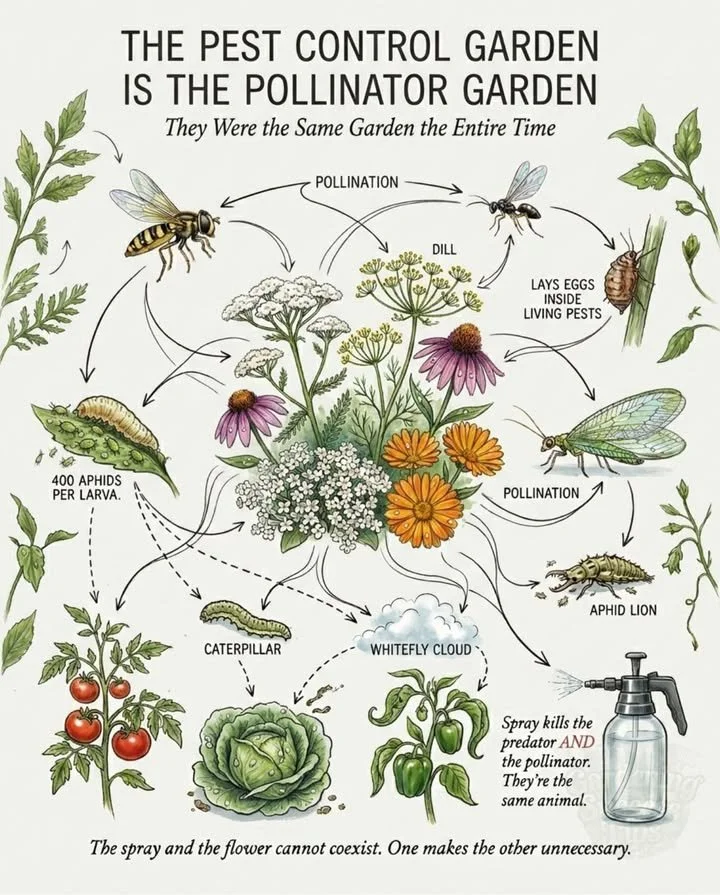
One of the most effective strategies in organic gardening is to understand the role of beneficial insects. Many predatory insects also serve as pollinators during their adult stage. The hoverfly, for example, may appear similar to a bee while visiting flowers for nectar, but its larvae are crucial in controlling pests like aphids by consuming them. This relationship highlights how eliminating aphids through spraying can inadvertently affect the population of these essential pollinators. By learning how to attract these insects, gardeners can maintain a natural balance without resorting to chemical sprays. You may also find Tandoori Chicken Incredible For useful.
Essential Flowers for Attracting Predators
To create an inviting habitat for beneficial insects, certain flower varieties are indispensable. Consider planting the following:
Umbel Flowers: Varieties like dill, fennel, cilantro, and yarrow are essential. They offer flat-topped clusters that are a favorite among tiny beneficial insects.
Daisy-family Flowers: Flowers such as coneflower, black-eyed Susan, and calendula are pivotal, providing the essential pollen needed by hoverflies and lacewings for reproduction.
Low Carpet Flowers: Ground-level blooms like alyssum, thyme, and clover serve as a vital food source for predators working near the soil surface.
By integrating these flowering plants into your garden, you’ll achieve a vibrant ecosystem that not only beautifies your space but actively helps in pest control. Furthermore, if you’re interested in expanding your gardening practices, you might enjoy learning to grow tropical houseplants from fruit pits.
The Cycle of Life in the Garden
The truth is, the pest control garden and the pollinator garden are the same entity. By planting flowers that attract beneficial insects, gardeners can refresh their gardening efforts while protecting their plants. This method disrupts the rotating cycle of pests and predators, allowing nature to manage itself effectively. Instead of maintaining a battlefield with sprays, one could simply ‘hire’ nature to do the hard work.
For those who wish to delve further into sustainable gardening options, discover how to utilize tomato suckers to create free plants as another way to expand your gardening repertoire.
The Economic Advantage of Natural Pest Control
Transitioning to a garden that thrives on attracting beneficial insects presents various long-term benefits, including economic advantages. By reducing the expenses associated with pesticides and fostering a self-sustaining ecosystem, gardeners can save money while enjoying healthier plants. Additionally, meals like beef stroganoff prepared with fresh ingredients from a vibrant garden can lead to delightful dining experiences.
Conclusion
In conclusion, transforming pest management approaches by focusing on the recruitment of beneficial insects can lead to healthier gardens and a more sustainable environment. For more insights on which plants are least likely to attract pests, visit this discussion among rookie vegetable gardeners. Additionally, the Xerces Society provides valuable resources on the importance of insect-friendly habitats which can be found in their Habitat Planning for Beneficial Insects guidelines.