The Productivity of Berry Bushes in Your Backyard
The most productive fruit in many backyards isn’t necessarily what you’ve planted with great care. More often than not, it’s a berry bush that someone tucked into the ground years ago and then forgot about — and it just kept thriving. If you’re interested in cultivating easy-to-maintain plants, understanding what your berry bushes can achieve might change your gardening approach, especially in relation to how plant roots reveal underground conditions.
Berry bushes operate quite differently from annual vegetables. Unlike vegetables that require replanting every spring, staking, and constant attention, perennial berry shrubs take a little time to establish — typically two to three years — and then they produce bumper harvests for well over a decade. This longevity requires little more than occasional winter pruning, and many bushes can even outlive their gardeners! You may also find Bread Pudding With Bourbon useful.
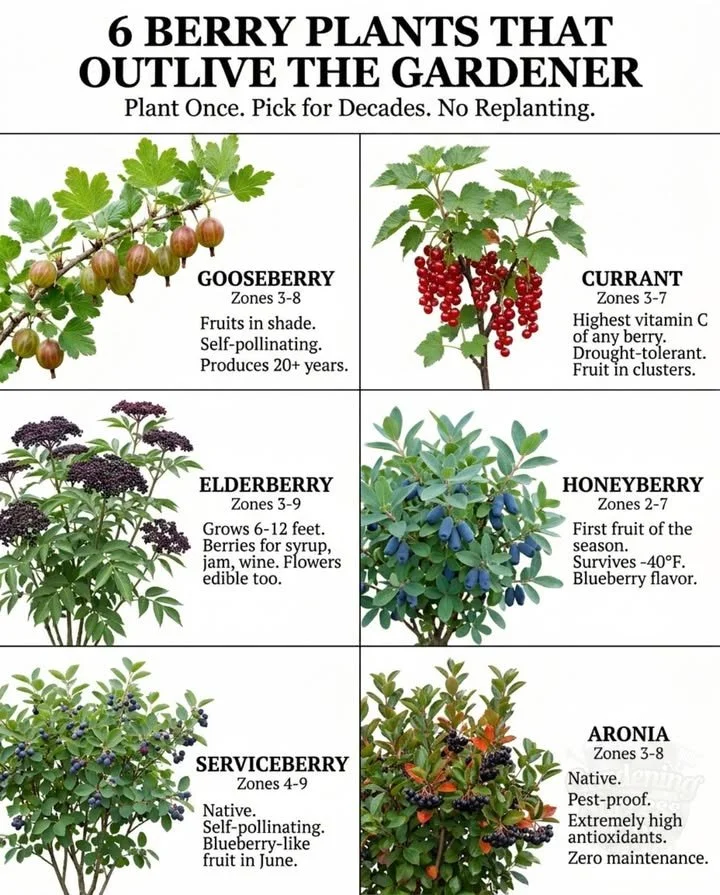
Six Berry Varieties That Keep Giving
Here are six berry plants that can provide continuous yields with minimal upkeep: You may also find Festive Fruit Salad With Honey Lime Dressing useful.
Gooseberry: This shade-tolerant shrub is known for its reliable fruiting, even in challenging conditions. Gooseberries are self-pollinating, meaning you only need one bush to enjoy the bounty. Patients will find that a well-established plant can produce fruit for over 20 years, yielding some of the best preserves you will ever taste.
Honeyberry: Known as the first fruit to ripen in the season, honeyberries are an excellent choice for early harvesting. They thrive in extremely cold temperatures (as low as -40°F) and are resistant to pests that typically affect other berry types. For optimal pollination, plant two varieties within 20 feet of each other, and they’ll take care of the rest.
Elderberry: Often found growing wild in hedgerows, elderberries require very little care. One mature elderberry plant can produce buckets of small, dark berries, perfect for syrups, jellies, and wine. Notably, the clusters of cream-colored flowers are also edible, making them a delightful addition to your foraged options.
Serviceberry: This native plant is so adaptable that it thrives in a variety of settings, from forest edges to urban parking lots. The small, blueberry-like fruits ripen in June and are sweet enough to be enjoyed straight from the branch. Just remember that birds enjoy these berries, too, so you may want to harvest them before your feathered friends do.
These perennial berry bushes are not just low-maintenance; they can turn your garden into a productive oasis with minimal effort. Understanding beneficial plant relationships can enhance this gardening experience, so consider exploring companion planting techniques.
Why Choose Berry Bushes?
Berry bushes are a fantastic way to introduce fruits into your garden without the extensive commitment that fruit trees often require. With minimal planting time and care, these bushes can provide a yield for years to come. To complement your berry harvest, consider combining your fruits in delicious ways; for example, you might enjoy a refreshing drink made from those berries, which could lead you to explore 5 refreshing watermelon lemonade ideas you’ll love.
In addition to being productive, berry bushes also contribute to biodiversity in your garden and can attract various beneficial insects and pollinators. Utilizing different berry plants can not only fulfill your garden’s fruiting needs but can also enhance its ecological value.
Conclusion
In addition to the many benefits of cultivating berry bushes, understanding their role in a broader context can enhance your gardening practices. For further discussions on farming challenges, explore views on subsistence farming on Reddit. Additionally, if you’re curious about specific berry varieties, you might appreciate the conversation around Autumn Olive on Permies.com. With these resources, you can deepen your understanding and appreciation for sustainable gardening practices.