Understanding Root Depth in Raised Bed Gardening
When planning your raised bed garden, it’s crucial to consider the depth of your bed, especially if it’s only 12 inches deep. This limitation might impact the growth of various vegetables. While the surface may appear lush with green leaves and steady growth, the real challenge often lies beneath. If the roots are hitting the bottom of the bed, they can fold back on themselves, leading to wilting, reduced yields, and the need for constant irrigation. You can use a root depth chart to determine which crops are suitable for your specific bed depth, ensuring you cultivate a thriving garden. You may also find Butterscotch Budino You Must useful.
When selecting vegetables for a raised bed, it’s helpful to understand the different categories of root depth. For example, plants with shallow roots, such as lettuce, radishes, and spinach, thrive even in minimal soil depths. You can explore delicious recipes featuring these ingredients, like biscoff cookie butter recipes that incorporate tasty vegetables from your garden.
Shallow Root Vegetables
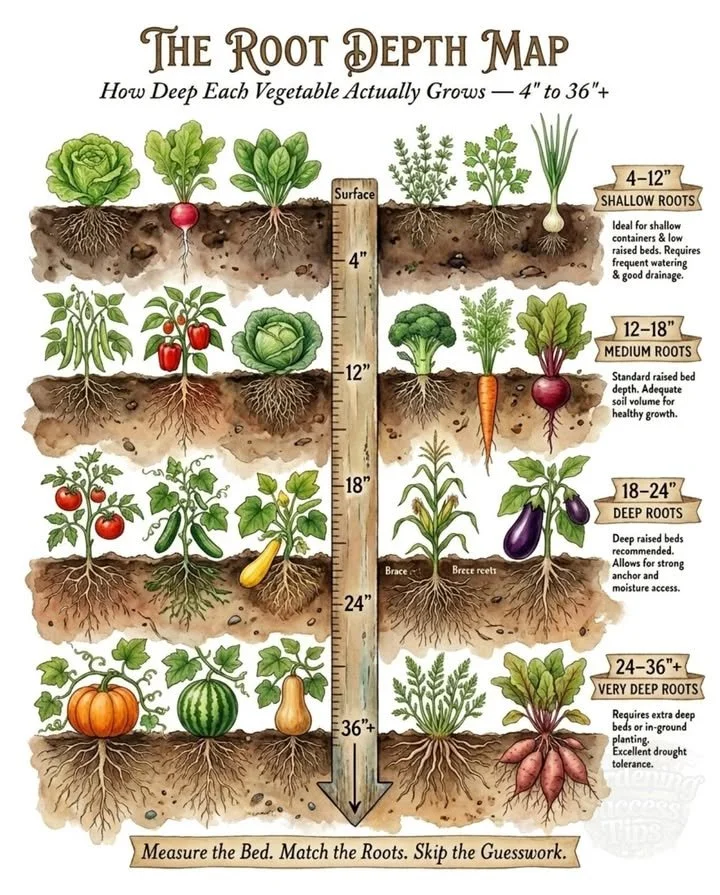
Shallow-rooted vegetables, which typically require only 4 to 12 inches of soil, are the easiest to grow in a raised bed of only 12 inches deep. These include salad greens, herbs, and green onions. As long as you maintain good quality soil, these crops can flourish in even shallow containers. If you’re looking to create a hearty salad or flavorful dish, including some of these vegetables can be a great choice. You may also find Crispy Gnocchi With Cherry useful.
Medium Root Vegetables
Medium-rooted vegetables, such as bush beans, peppers, cabbage, broccoli, and carrots, benefit from slightly deeper soil, ideally ranging from 12 to 18 inches. Although a standard 12-inch bed can accommodate some short carrot varieties, like Chantenay, you should be aware that they may not reach their full potential. For those wanting to experiment with different flavors, consider trying crispy quinoa patties that incorporate your fresh produce.
Deep Root Vegetables
Deep-rooted crops, including tomatoes, cucumbers, squash, corn, and eggplant, require at least 18 to 24 inches of soil depth to thrive effectively. These plants need room to establish strong root systems and find water below the surface. In a shallow bed like yours, daily irrigation is necessary to keep these plants healthy, which can be labor-intensive. Researching suitable container sizes may help establish expectations for your vegetable gardening endeavors. You may also find Croissant Bread Pudding With Caramel 2 useful.
Very Deep Root Vegetables
Certain crops, such as pumpkins, watermelon, winter squash, asparagus, and sweet potatoes, thrive best with 24 to 36 inches of root depth. These plants are often better suited for in-ground planting or raised beds that have open bottoms placed over loosened native soil. You can consider innovative options for deep-rooted plants to maximize your yields effectively.
Conclusion
Understanding the root depth requirements of different vegetables will greatly influence your gardening success. Planning to meet the needs of each plant can lead to a thriving and productive raised bed garden. For additional information on challenges you might encounter when growing carrots, you can read about the 10 carrot growing problems and how to prevent them. Also, exploring the management of perennial weeds can help you maintain your garden health, as discussed in this resource.