Creating a Pest-Friendly Garden
Many gardens struggle with pest control because they lack a proper recruitment plan for beneficial insects. Instead of reaching for chemical sprays, gardeners can enhance their gardens by attracting predators that naturally keep pests in check. This method not only supports the ecosystem but also promotes a healthier garden environment. You may also find Baked Chicken Stroganoff useful.
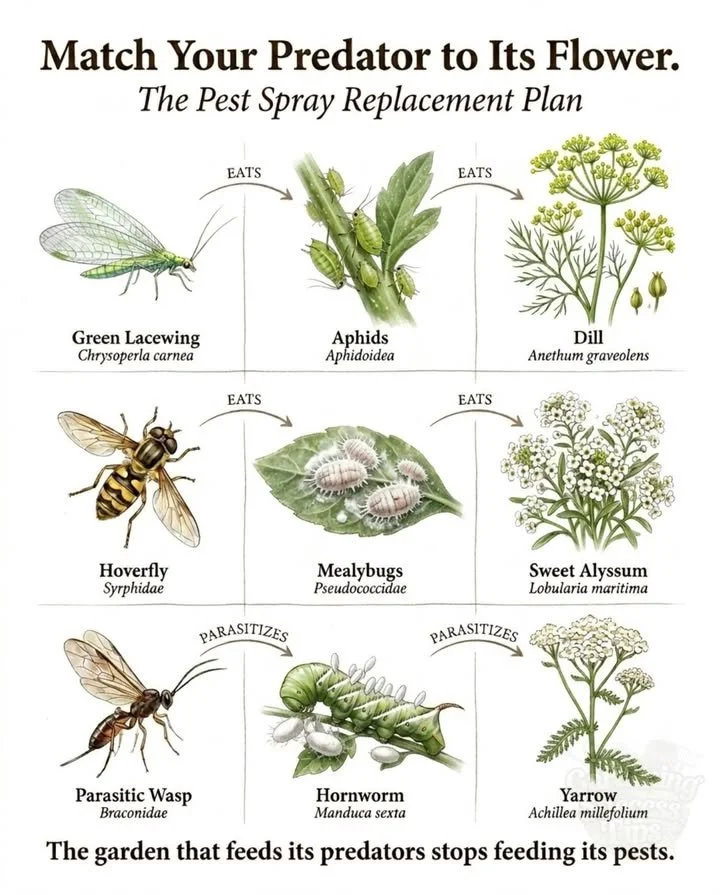
To create a garden that invites these beneficial creatures, you can start by planting specific flowers known to attract them. For instance, planting dill can be a great way to draw in lacewings and hoverflies, which are excellent at controlling aphid populations. Additionally, sweet alyssum is a beloved choice for its ability to attract hoverflies, and it can bloom quickly from seed, adding beauty and functionality to your garden. On top of that, yarrow serves as a perfect landing pad for parasitic wasps, which are essential for managing pest outbreaks without the use of pesticides. You can learn more about creating a bee-friendly environment that supports these types of beneficial insects at this resource.
Why Attract Beneficial Insects
Beneficial insects play a crucial role in pest control. Lacewing larvae, for instance, can consume hundreds of aphids weekly, while hoverfly larvae deal with mealybugs even before they become noticeable problems. Parasitic wasps contribute significantly by laying eggs inside hornworms, effectively managing these pests chemically-free. By implementing plants that attract these beneficial insects into your landscape, you can reduce the need for chemical interventions, paving the way for a more sustainable gardening approach.
Additionally, it’s useful to note that not all compost is the same. By understanding the different types of compost, such as these documented five types, gardeners can enhance soil health and indirectly support the populations of beneficial insects.
Plant Choices for Pest Management
When it comes to companion planting, choosing the right plants can significantly improve your pest management strategies. Dill, sweet alyssum, and yarrow are just a few examples that not only beautify your garden but also serve functional purposes. The diversity in your plants can create habitats for various beneficial insects, which in turn will help control pest populations naturally.
Another excellent addition to your garden could be adopting methods for preparing your vegetables. For instance, you might enjoy trying out an air fryer crispy tofu recipe that uses fresh produce from your garden, linking your pest management success to delicious meals on your table.
Maintaining Your Pest-Friendly Garden
To ensure that your garden remains a welcoming environment for beneficial insects, you should regularly maintain your plants and avoid using chemical pesticides. Furthermore, by integrating practices like crop rotation and incorporating organic matter into your soil, you can keep your garden thriving. One delicious way to use your grown produce is by preparing meals like authentic stuffed cabbage rolls, which can be a great way to enjoy the fruits of your labor while maintaining a focus on natural gardening methods.
Conclusion
Creating a pest-friendly garden is not only beneficial for your plants but also contributes to a healthier ecosystem. By incorporating techniques that attract beneficial insects, you significantly decrease the need for chemical pest control and embrace a more sustainable gardening practice. Further details on effective pest management through various resources can be found at this academic source and the BYGL Newsletter, which provide insights into effective strategies and tips for maintaining pest balance in your garden.