Understanding Weeds as Indicators of Soil Health
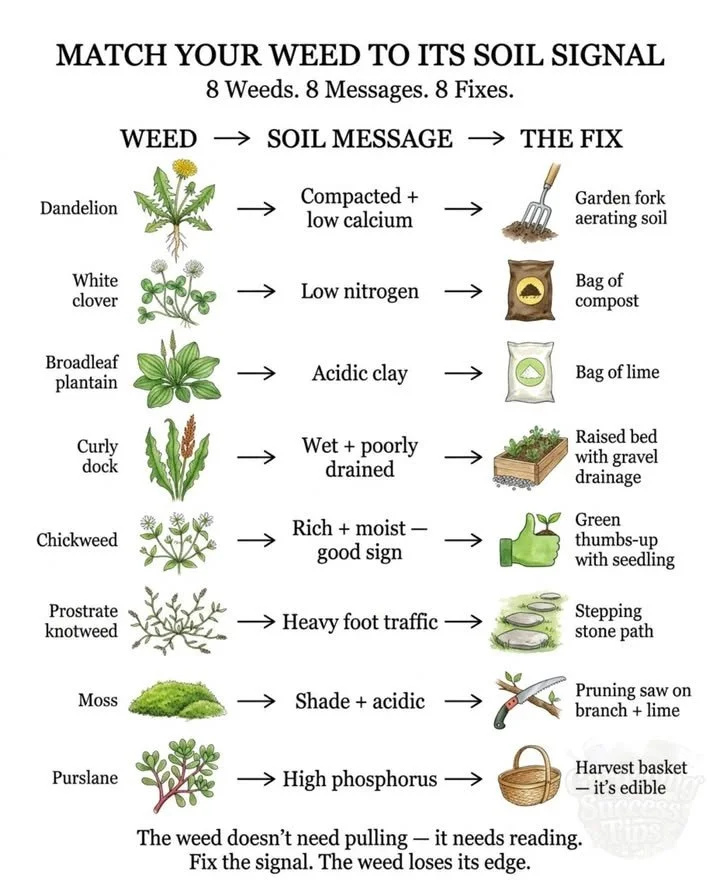
Many gardeners view weeds as a nuisance, but what if these unwanted plants are actually clues about the health of your soil? The saying, "The weed doesn’t need pulling. It needs reading," encapsulates the idea that most weeds signal underlying conditions that require attention. Instead of removing these plants, consider what they are communicating about your garden’s soil. You may also find Sirloin Steak Sandwich With Balsamic Glaze useful.
For example, dandelions, which appear frequently in compacted soil with low calcium levels, have deep taproots that break through hardpan layers. By aerating and topdressing with compost, you not only improve the soil but also reduce the advantage that dandelions have over desirable plants. This understanding aligns with the principles found in edible weeds that enhance health and nutrition in the garden.
Common Weeds and Their Soil Signals
Dandelions: As previously mentioned, dandelions thrive in compacted soils. Their presence is a call to action to enhance soil structure and mineral availability. You may also find Watering Problems Tomatoes Carrots Garden useful.
Clover: This plant often indicates low nitrogen in the soil because clover can fix nitrogen from the air. If you find clover in your garden, it’s a good idea to supplement the soil with compost or aged manure, ensuring all plants receive adequate nutrition. You may also find Weird Shapes Harvested Vegetables Growing Conditions useful.
Broadleaf Plantain: Typically found in acidic, compacted areas like paths and walkways, broadleaf plantain signifies that soil aeration is needed. Regular core aeration and adding organic matter can make a significant difference in reducing its prevalence in your garden.
Chickweed: When you see chickweed thriving, it indicates that your soil is rich and moist. This is generally seen as a positive sign of fertility, although it may also suggest issues with drainage or excess moisture.
Purslane: This nutrient-dense wild edible is often an indicator of high phosphorus levels and productive soil. Before considering it a nuisance, remember that it is also beneficial for your diet!
Understanding these relationships between weeds and soil conditions allows for a more holistic gardening approach. You can adapt your care methods by using targeted strategies such as selecting the right mulch to prevent competing weeds while nourishing your desired plants.
Conclusion
In the world of gardening, recognizing the valuable information that weeds provide can lead to healthier plants and improved soil conditions. Connecting with resources such as Lockdown Poems – Ledbury Poetry Festival can also inspire creativity in your gardening journey. Additionally, understanding your options for effective handling of garden challenges can be enhanced by consulting the Pesticide Labeling Questions & Answers | US EPA for more information. By interpreting weeds correctly, you can foster a thriving garden ecosystem.